Clinical Transformation Consulting
Improve Clinical Efficiency, Care Delivery & Cut Operating Costs by 30%
Redesign clinical workflows, connect fragmented data, modernize documentation, and deploy automation and analytics to give care teams more capacity while improving quality, safety, and outcomes.












Our Clinical Transformation Services
Transform Clinical Workflows Into a Higher-Performing Care Model
Advanced Capabilities
Transformation That Continues After Go-Live
Clinical Workflow Intelligence
Understand how clinical work moves across people, systems, specialties, and care settings before deciding what to change.
EHR Optimization & Modernization
Get more value from existing EHR investments through workflow redesign, configuration, integration, customization, and modernization.
Interoperability Architecture
Design the data flows, interfaces, APIs, standards, and integration architecture required to create connected clinical ecosystems.
Clinical Change Management
Prepare clinicians and care teams for workflow changes through stakeholder engagement, training, adoption planning, and phased implementation.
Clinical Governance & Standardization
Create governance structures that maintain clinical standards while allowing appropriate flexibility across specialties, locations, and care models.
AI Readiness & Responsible Adoption
Identify where AI can create clinical value, assess workflow readiness, establish human oversight, and build an adoption path that protects patient safety.
Multi-Site Clinical Standardization
Create consistent clinical workflows and technology practices across locations while preserving the specialty and local requirements that matter.
Continuous Clinical Performance Management
Track clinical, operational, and technology KPIs after implementation to identify workflow drift, adoption barriers, and new opportunities for improvement.
Business Outcomes
Business Outcomes That You Can Expect
Case Studies
We’ve successfully implemented a range of solutions. See how healthcare organizations
like yours achieved measurable results with CapMinds.
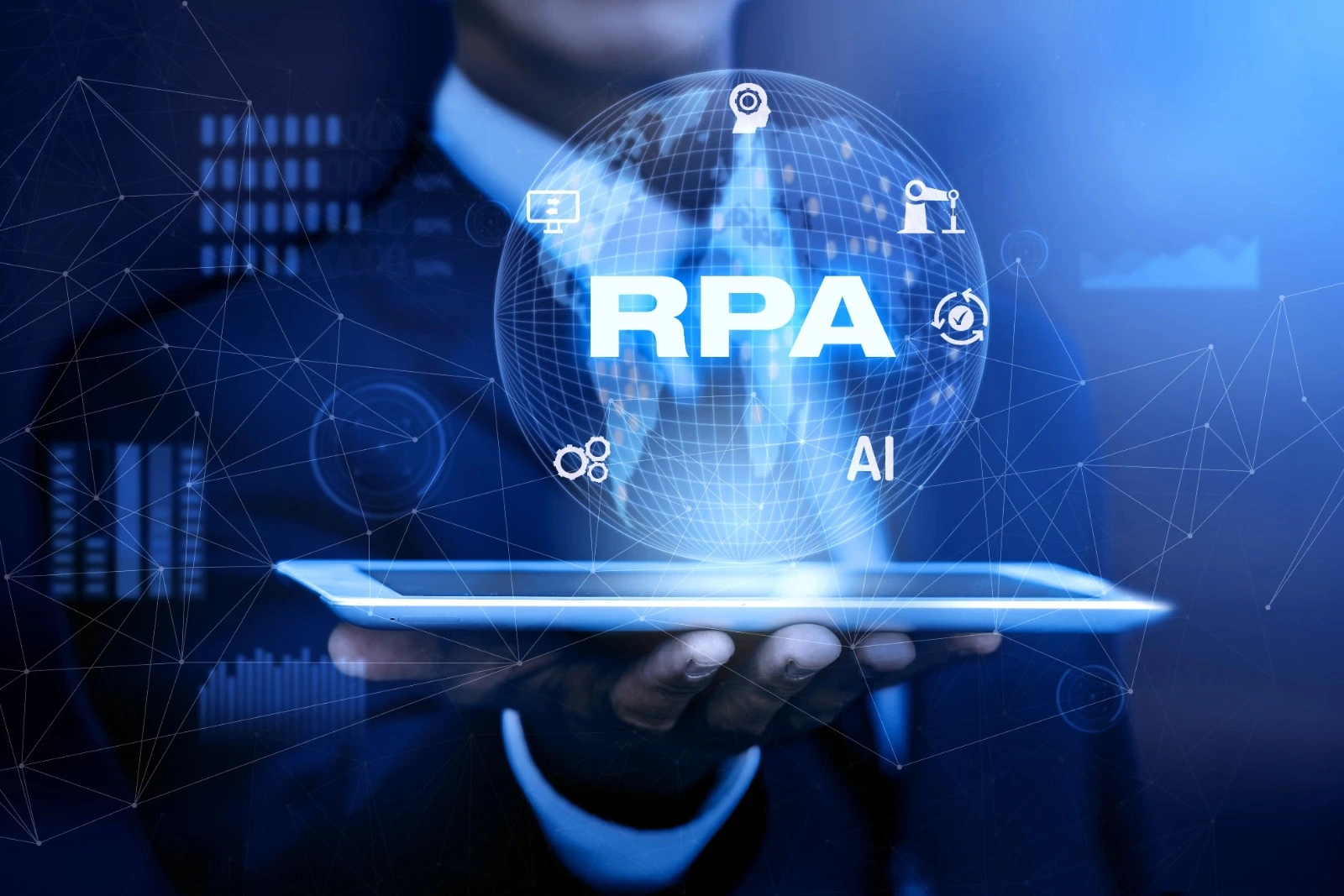
End-to-End RCM Automation for UiPath Using a Custom EMR
- 100% automation of standard RCM processes
- 50% faster claim turnaround
- Zero errors in claim formatting and submission

Westside Behavioral Care with a Custom EMR Platform
- Centralized EMR with consolidated patient data.
- 100% paperless onboarding process
- 90% automation in scheduling and documentation

UDS Reporting for Ventura County Health Care Agency (VCHCA)
- Automated processing of 100,000+ records
- FHIR validation and HRSA mock submission in 10 weeks
- 100% HRSA compliance
Is Clinical Friction Holding Your Organization Back?
Tell us where clinicians are losing time, where patient information is getting stuck, or where disconnected systems are making care harder to deliver. We’ll help you identify the highest-value clinical transformation opportunities and build a practical path from assessment to implementation.
Who Do We Serve?

Hospitals & Health Systems

Multi-Specialty Medical Groups

Private & Specialty Practices

Ambulatory Care Organizations

Behavioral Health Organizations

FQHCs & Community Health Centers

Digital Health Organizations

Healthcare Technology Companies

Telehealth & Virtual Care Organizations

Population Health & Value-Based Care Organizations

Healthcare Networks & Care Delivery Organizations
Why Healthcare Organizations Choose CapMinds
as a Clinical Transformation Partner
As a clinical transformation consultant, we connect clinical strategy, workflow redesign,
interoperability, EHR modernization, analytics, and implementation.
18+ Years in Healthcare Technology
Bring proven healthcare technology experience to complex decisions, workflows, risks, and long-term transformation goals confidently.
Faster Turnaround & Scalable Delivery
Use streamlined delivery models and scalable healthcare technology resources to accelerate initiatives while adapting to changing project requirements.
Cost Savings & Resource Optimization
Optimize technology resources, workflows, and delivery models to reduce avoidable costs while making better use of existing teams and investments.
Interoperability From Workflow to Data Exchange
Connect clinical workflows to the HL7, FHIR, API, interface engine, EHR, laboratory, imaging, pharmacy, and HIE environments that support them.
One Team Across Clinical & Technology Transformation
Bring clinical workflow, healthcare IT, interoperability, software engineering, cloud, analytics, and automation capabilities together instead of coordinating disconnected vendors.
Built for Long-Term Adoption
Design transformation around implementation, integration, usability, adoption, monitoring, optimization, and ongoing support, not simply go-live.

What Our Clients Say
Hear from healthcare leaders who’ve transformed their operations with our services & solution.
What Makes Us a Trusted Clinical Transformation Partner?
Clinical transformation takes more than new technology. Workflows must fit clinicians, data must move across systems, and automation must support, not disrupt, clinical decisions. CapMinds brings together EHR modernization, interoperability, AI, analytics, and healthcare engineering to build connected clinical environments that improve efficiency, scale care, and deliver measurable value.
HIPAA
COMPLIANCE

ISO 9001:2015
CERTIFIED

GDPR
COMPLIANT
SOC 2 TYPE 2
CERTIFIED
HL7 FHIR
STANDARDS
SNOMED CT
COMPATIBLE

HITRUST
ALIGNED
Technology and Platform Experience
The Technology Behind Connected Clinical Transformation
EHR & EMR Ecosystems ➜
Healthcare Interoperability ➜

Interface & Integration Technology ➜
Cloud & Healthcare Data ➜

Digital Care Technology ➜

Healthcare CRM & Care Coordination ➜

Analytics & Intelligence ➜

Need to Modernize Your Clinical Workflows?
Modernize clinical workflows around how care teams work, connecting EHRs, interoperability, digital care, AI, and analytics without adding disconnected technology.
- Clinical workflow assessment and redesign
- EHR optimization and modernization
- Clinical interoperability and integration
- Digital care and virtual health
- AI, analytics, and decision support
- Clinical change management and optimization
Frequently Asked Questions
How does an engagement typically begin?
Most engagements begin with an assessment of the current clinical environment. This initial assessment supports a practical clinical transformation strategy and identifies where clinical workflow redesign should begin.
This can include stakeholder interviews, workflow mapping, EHR and technology review, interoperability assessment, documentation analysis, data-flow review, and KPI definition. The output is a prioritized transformation roadmap that identifies what should change first, why it matters, how technology should support it, and how success will be measured.
Can you work across multiple EHRs?
Yes. CapMinds can work with multiple EHR systems. Clinical environments often contain multiple EHRs and specialized systems. CapMinds works with interoperability standards, APIs, interface engines, and healthcare integration architectures to connect systems and support the movement of clinical information across the ecosystem.
Can you help reduce clinical documentation burden?
Yes. CapMinds can assess documentation workflows, templates, structured data capture, EHR configuration, integrations, and AI-enabled documentation opportunities to identify where clinicians are spending unnecessary time. The objective is not simply faster documentation; it is documentation that remains clinically useful, structured, accessible, and integrated into downstream workflows.
Can CapMinds support telehealth and remote care transformation?
Yes. CapMinds supports telehealth, remote patient monitoring, connected health, patient engagement, EHR integration, clinical documentation, and related digital-care workflows. The goal is to connect virtual and remote care with the broader clinical ecosystem rather than creating another isolated channel.
How do you measure clinical transformation?
The measurement framework depends on the transformation objective. Potential measures include clinician time recovered, documentation turnaround, workflow adoption, care-gap closure, quality performance, referral completion, clinical data completeness, interoperability reliability, patient engagement, utilization, and other organization-specific KPIs.
The measurement framework should be established before implementation so transformation can be evaluated against the original clinical and business objectives.
Can CapMinds optimize our existing EHR instead of replacing it?
Yes. CapMinds can optimize the existing EHR system instead of full replacement. Many organizations can achieve meaningful improvement by optimizing the systems they already have. CapMinds can assess clinical workflows, EHR configuration, integrations, documentation structures, APIs, reporting, and surrounding applications to identify where modernization or customization can create more value.
How does CapMinds approach clinical interoperability?
We start with the clinical and business requirements rather than treating interoperability as an isolated technical project. We map the required data flows, systems, workflows, standards, interfaces, security requirements, and operational dependencies, then design and implement the integration architecture needed to support them.
How can AI be used in clinical transformation?
AI can support areas such as clinical documentation, voice-to-text, information extraction, predictive analytics, intelligent reminders, risk identification, and workflow automation. CapMinds focuses on integrating AI into real clinical workflows with appropriate human oversight rather than treating AI as a standalone technology deployment.
Can you support multi-site and multi-specialty organizations?
Yes. Multi-site transformation requires a balance between standardization and clinical variation. CapMinds can help establish a common clinical technology and workflow framework while accommodating specialty, location, regulatory, and operational differences where necessary.
What happens after implementation?
Transformation should not end at go-live. CapMinds can continue supporting optimization, integration monitoring, workflow improvements, analytics, technology upgrades, troubleshooting, and ongoing transformation initiatives so the clinical environment can evolve as organizational needs change.
Resources
Insights for Healthcare Technology Teams.
Designing a Cloud-First Healthcare IT Strategy for Enterprise Agility
U.S. healthcare firms are under pressure to update their Heath IT infrastructure and react swiftly to evolving patient care requirements while upholding stringent security and compliance regulations. […]
Digital Leadership in Healthcare: What Forward-Thinking CIOs Are Doing Differently
Innovative Medical Care CIOs are reimagining how technology may enhance operational excellence and patient care. These individuals, who are no longer just IT managers, leverage cutting-edge technologies […]
The Business Case for Building a Custom Patient Portal in 2026
Healthcare executives are under more pressure than ever to enhance clinical results, reduce expenses, and provide patients with the experiences they anticipate from contemporary digital services. A […]