Healthcare Application Modernization Services
Modernize Legacy Healthcare Systems Without Replacing What Works
Modernize legacy code, cloud infrastructure, APIs, and user workflows to shorten
release cycles, control operating costs, and support growth across your existing
healthcare application portfolio.
















Our Healthcare Software Modernization Services
Modernize Legacy Applications to Support Your Product Roadmap
Advanced Capabilities
Control Application Changes From Testing Through Cutover
Business Rule Verification
Verify essential business rules during legacy EHR modernization. Check calculations, permissions, workflows, and exceptions against agreed behavior.
Phased Component Replacement
Introduce replacement functionality through phased healthcare software re-architecture. Manage routing, dependencies, and ownership throughout the transition.
Database Migration Controls
Coordinate schema changes, reconciliation, and compatibility during healthcare application re-engineering to reduce incomplete or inconsistent data transitions.
Integration Compatibility Testing
Check affected APIs, reports, scheduled jobs, and partner interfaces before releasing changes to the application components they depend on.
Capacity and Load Testing
Evaluate representative transaction volumes, concurrency, and data sizes against agreed response-time, error-rate, and resource-use thresholds.
Workflow Acceptance Testing
Verify priority tasks with clinical, administrative, and technical users before accepting changes that affect their application responsibilities.
Extend Application Life
Preserve useful functionality through a targeted healthcare software revamp. Replace components that limit the application’s continued value.
Cutover and Recovery Planning
Define transition steps, decision points, and data recovery procedures, including forward recovery where reversing a release is impractical.
Legacy Component Decommissioning
Retire replaced components after confirming remaining dependencies, required record access, replacement acceptance, and ongoing support ownership.
Business Outcomes
Improve Application Capacity, Release Speed, and Usability
Case Studies
We’ve successfully implemented a range of solutions. See how healthcare organizations
like yours achieved measurable results with CapMinds.
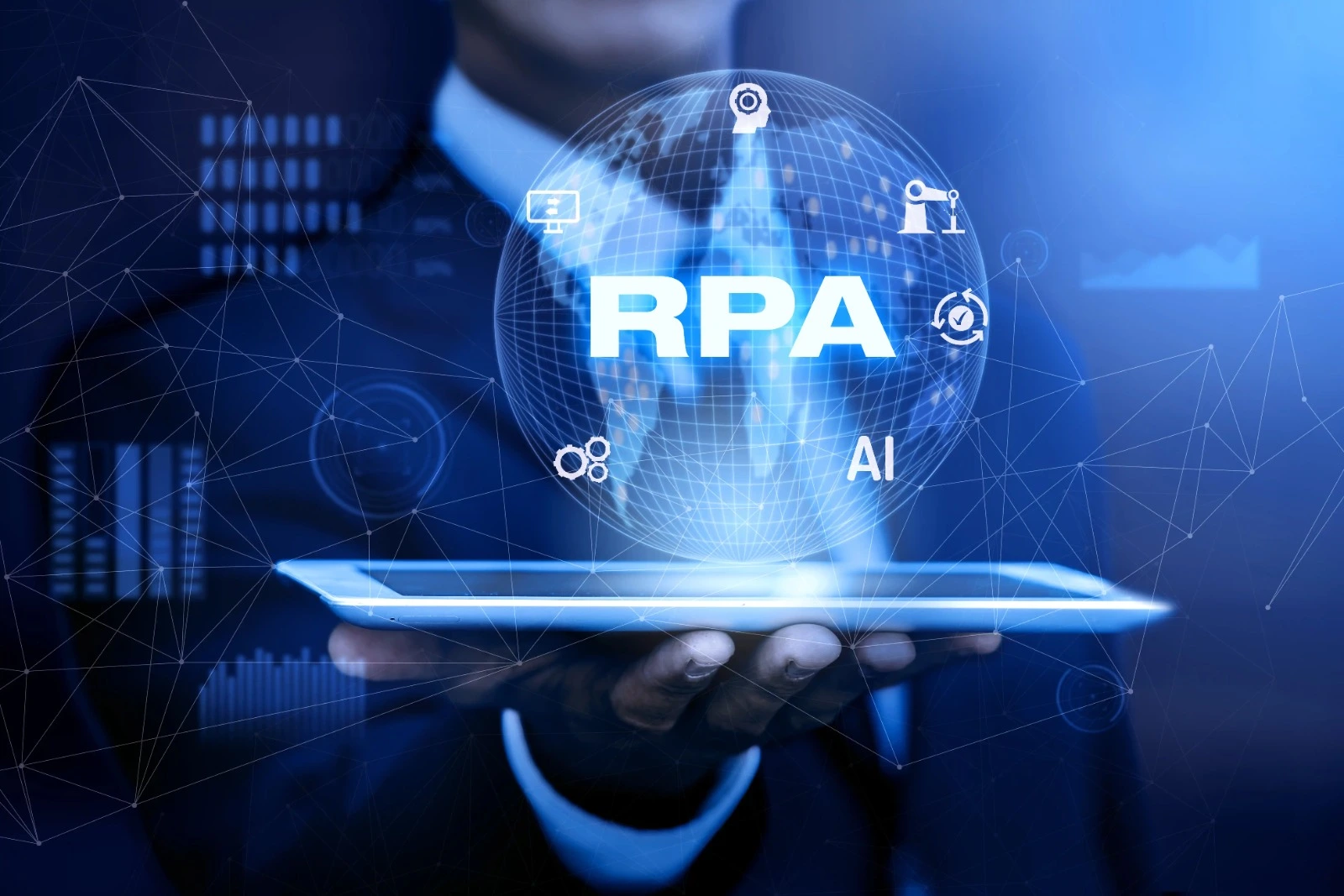
End-to-End RCM Automation for UiPath Using a Custom EMR
- 100% automation of standard RCM processes
- 50% faster claim turnaround
- Zero errors in claim formatting and submission

Westside Behavioral Care with a Custom EMR Platform
- Centralized EMR with consolidated patient data.
- 100% paperless onboarding process
- 90% automation in scheduling and documentation

UDS Reporting for Ventura County Health Care Agency (VCHCA)
- Automated processing of 100,000+ records
- FHIR validation and HRSA mock submission in 10 weeks
- 100% HRSA compliance
What Is Blocking Your Next Application Update?
Discuss the feature, integration, or capacity requirement your application cannot support comfortably, and identify where modernization should begin.
Who Do We Serve?

Healthcare Software Vendors

EHR and EMR Vendors
Practice Management Software Companies
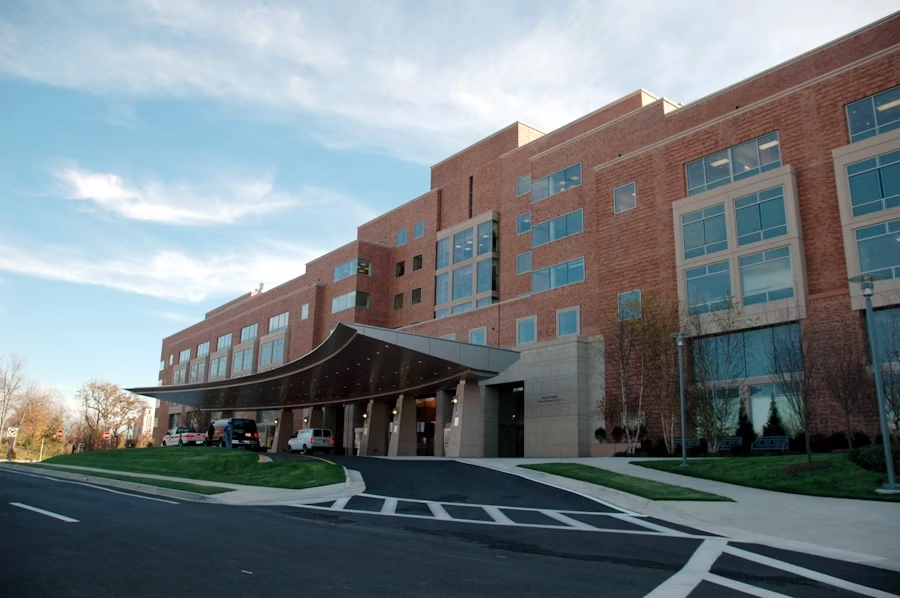
Hospitals and Health Systems

Health Plans and Payers

Telehealth Platform Providers

Revenue Cycle Software Companies

Healthcare Analytics Companies

Patient Engagement Platform Providers

Medical Device Software Companies
Why Choose CapMinds as a Healthcare
Application Modernization Company?
18+ Years in Healthcare Technology
Apply long-standing healthcare experience to workflow decisions, interoperability challenges, operational risks, and modernization planning.

One Accountable Product Manager
Keep priorities, scope decisions, dependencies, and acceptance criteria under a named product manager, giving your stakeholders clear ownership throughout modernization.
Collaborate With Your Engineers
Review implementation decisions with your technical team so the modernized application fits their maintenance capabilities and delivery processes.
Explain Architecture and Cost Tradeoffs
Compare implementation effort, operating requirements, and transition costs when recommending whether to retain, refactor, replatform, or replace components.
Complete Legacy System Retirement
Include decommissioning responsibilities and acceptance conditions so replaced components do not become permanent additional systems to maintain.
Cost Reviews Every 30 Days
Review delivery expenditure, transition costs, and projected operating savings monthly, helping your team identify budget changes before approving the next phase.

What Our Clients Say
Hear from healthcare leaders who’ve transformed their operations with our services & solution.
What Makes CapMinds the Best Partner for Healthcare Application Modernization?
CapMinds combines application engineering, integration, and deployment planning for healthcare enterprise application modernization. We assess constraints, recommend proportionate changes, and verify affected workflows. Each phase addresses a defined product requirement, with implementation records and operational guidance supporting maintenance and subsequent improvements.

HIPAA
COMPLIANCE

ISO 9001:2015
CERTIFIED

GDPR
COMPLIANT
SOC 2 TYPE 2
CERTIFIED

HL7 FHIR
STANDARDS

SNOMED CT
COMPATIBLE

HITRUST
ALIGNED
Technology and Integration
Technologies and Integrations We Modernize
Backend Development

Frontend Development

Databases
Cloud Platforms

Containers & Deployment

APIs & Healthcare Interoperability

Identity & Access

Discuss Your Next Healthcare Application Improvement
Share your application challenges and explore practical modernization options with our engineers. No technical brief or project plan needed.
- Discuss slow screens and workflows
- Explore legacy code upgrade options
- Review integration and scaling barriers
- Identify a manageable first phase
- No technical preparation required
Frequently Asked Questions
Should We Modernize or Replace Our Healthcare Application?
The decision depends on the application’s business value, technical constraints, ownership restrictions, and improvement costs. Modernization may suit software with useful functionality and manageable limitations. Replacement may be more appropriate when continued investment is difficult to justify. An assessment should compare both options and their transition requirements.
What Access Is Required for an Assessment?
Requirements may include source repositories, build instructions, architecture records, dependency lists, database schemas, logs, and discussions with users and engineers. Access depends on the assessment scope. Suitable test or masked datasets should be considered before production data access is requested.
Does Modernization Require Microservices?
No. Modernization does not require microservices. A modular application may address the problem without separate services. Service extraction is appropriate when independent deployment or scaling justifies the additional communication, monitoring, and data-management requirements. The architecture should fit your application and the team operating it.
How Do You Verify Existing Workflows?
We define representative workflows and expected behavior before implementing affected changes. Verification may combine regression tests, interface checks, data reconciliation, performance testing, and user acceptance. Undocumented business rules and exceptions identified during assessment are included in the agreed testing scope.
Does AI-Ready Modernization Include AI Development?
Only when explicitly included. Preparation may cover governed data access, APIs, background processing, permissions, and review interfaces. Model selection, AI feature development, evaluation, and ongoing model operations require a separately defined scope.
Can We Modernize One Application Module First?
Yes, where its dependencies and data ownership allow a manageable boundary. A reporting function, integration layer, or administrative module may provide a starting point. The first phase should deliver a useful improvement while testing the proposed architecture and transition approach.
Can You Modernize Vendor-Controlled Applications?
CapMinds can modernize vendor-controlled applications. The available options depend on supported interfaces, licensing terms, access permissions, and modification rights. Work may include approved integrations, external services, workflow improvements, or migration planning. Vendor participation and restrictions should be identified before implementation is scoped.
Can Our Application Stay Available During Modernization?
Some changes can be delivered through parallel environments and phased releases while the current application remains in use. Database transitions and other changes may require service windows. The plan should define those windows, acceptance checks, communications, and recovery responsibilities before cutover.
How Are Performance and Capacity Targets Validated?
First, establish the baseline and measurement conditions. Then agree on the workload, environment, data, acceptance thresholds, and observation period. Compare results under equivalent conditions, including response times, errors, and resource costs alongside transaction capacity.
What Will Our Team Receive at Handover?
Agreed deliverables may include updated code, deployment configurations, architecture decisions, interface contracts, migration scripts, test results, and operational instructions. Handover also identifies unresolved issues, remaining legacy components, and responsibility for support and future changes.
Resources
Insights for Healthcare Technology Teams.
How to Build a Disconnected Environment System Using OpenEMR
For the past decade, enterprise healthcare IT operated on a single, unquestioned assumption: the cloud is always reachable. Multi-campus hospital networks, Management Services Organizations, and specialty medical […]
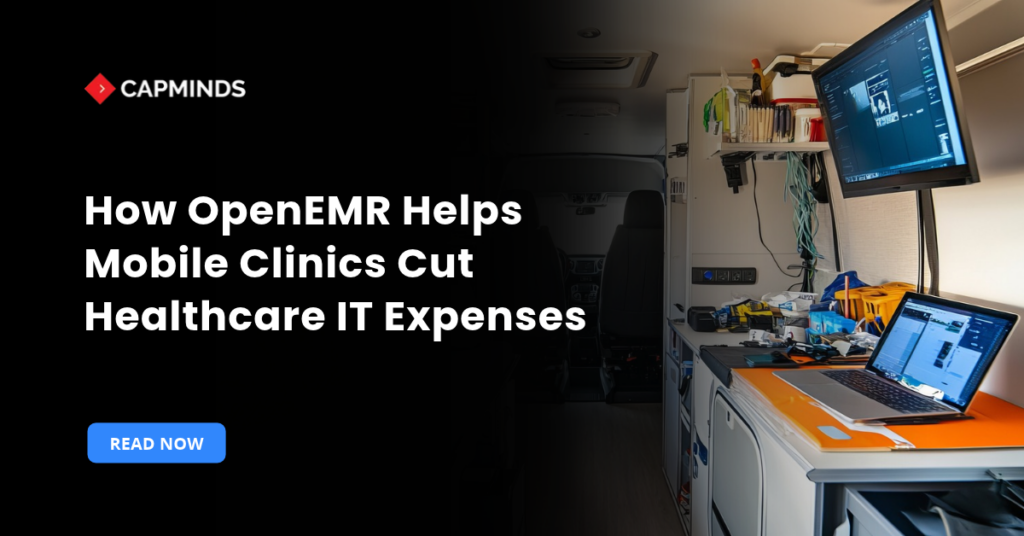
How OpenEMR Helps Mobile Clinics Cut Healthcare IT Expenses
More than 3,600 mobile clinics function in the United States and provide approximately 10 million health care visits annually. As they grow, they face healthcare IT costs, […]
OpenEMR Architecture Roadmap for Mid-Sized Healthcare Organizations
OpenEMR is an open-source EHR/PM system that is ONC-certified and widely used. It offers a web/mobile interface and provides core activities such as patient records, scheduling, prescriptions, […]