CCD and C-CDA Integration Services
Exchange Patient Records 2X Faster With
CCD/C-CDA Integration
Connect EHRs and HIEs through CCD/C-CDA generation, processing, validation,
and FHIR conversion to reduce manual reentry, preserve clinical context,
and support more timely care decisions.



















Our CCD and C-CDA Integration Services
From Document Receipt to Clinical Review With CCD/C-CDA Integration
Advanced Capabilities
Go Beyond Document Delivery With Advanced CCD/C-CDA Integration
Template and Version Compatibility
Build C-CDA integration solutions around supported partner templates and versions, with generation and processing rules that account for compatibility differences.
Clinical Context Preservation
Retain document authorship, source, dates, encounter references, and clinical status so downstream users can interpret where information came from.
Patient Identity Exception Handling
Route uncertain matches, identifier conflicts, and patient merges through defined resolution paths before documents are associated with the receiving chart.
Narrative and Structured Data Alignment
Check relationships between readable narrative and coded entries, highlighting inconsistencies that could mislead users or affect downstream data processing.
Duplicate and Document Lifecycle Controls
Recognize repeated submissions, replacement relationships, and document versions so retries and updates do not create unnecessary copies or conflicting records.
Secure Document Processing
Configure XML parsers, file limits, access controls, and protected storage to reduce exposure from untrusted documents and sensitive clinical payloads.
Validation and Release Gates
Apply agreed checks before downstream release, with quarantined failures, documented exceptions, and controls that prevent unchecked documents from bypassing validation.
Exchange Operations Visibility
Track receipt, validation, processing, routing, and destination acceptance separately so teams can locate delays and assign the next action.
Business Outcomes
Make Clinical Document Exchange Worth the Operational Effort
Case Studies
We’ve successfully implemented a range of solutions. See how healthcare organizations
like yours achieved measurable results with CapMinds.
End-to-End RCM Automation for UiPath Using a Custom EMR
- 100% automation of standard RCM processes
- 50% faster claim turnaround
- Zero errors in claim formatting and submission

Westside Behavioral Care with a Custom EMR Platform
- Centralized EMR with consolidated patient data.
- 100% paperless onboarding process
- 90% automation in scheduling and documentation

UDS Reporting for Ventura County Health Care Agency (VCHCA)
- Automated processing of 100,000+ records
- FHIR validation and HRSA mock submission in 10 weeks
- 100% HRSA compliance
Receiving Care Summaries That Still Need Manual Cleanup?
Show us where document import, validation, patient matching, or reconciliation breaks down. We’ll help define the changes needed for a usable exchange workflow.
Who Do We Serve?
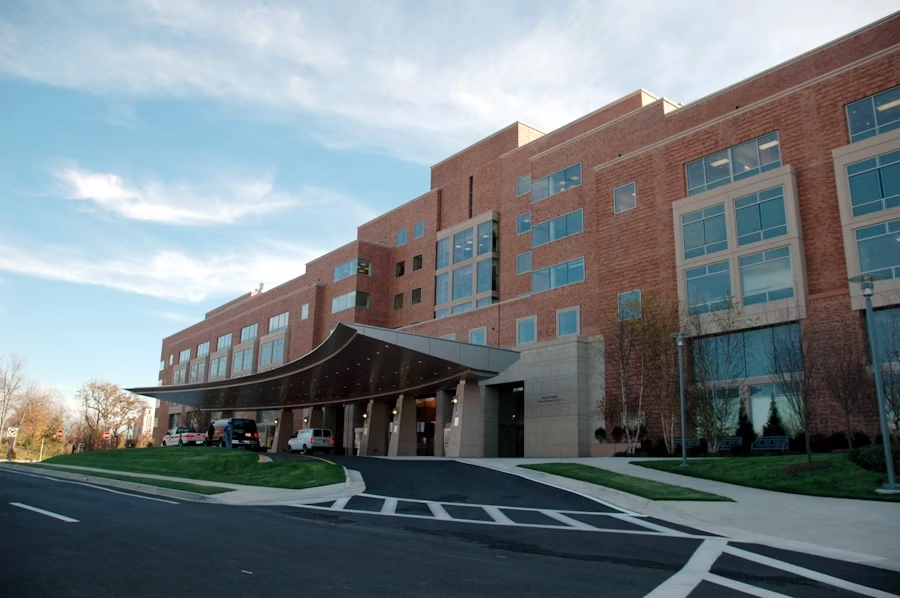
Hospitals and health systems
Medical groups and specialty practices

FQHCs and community health centers

Behavioral health organizations
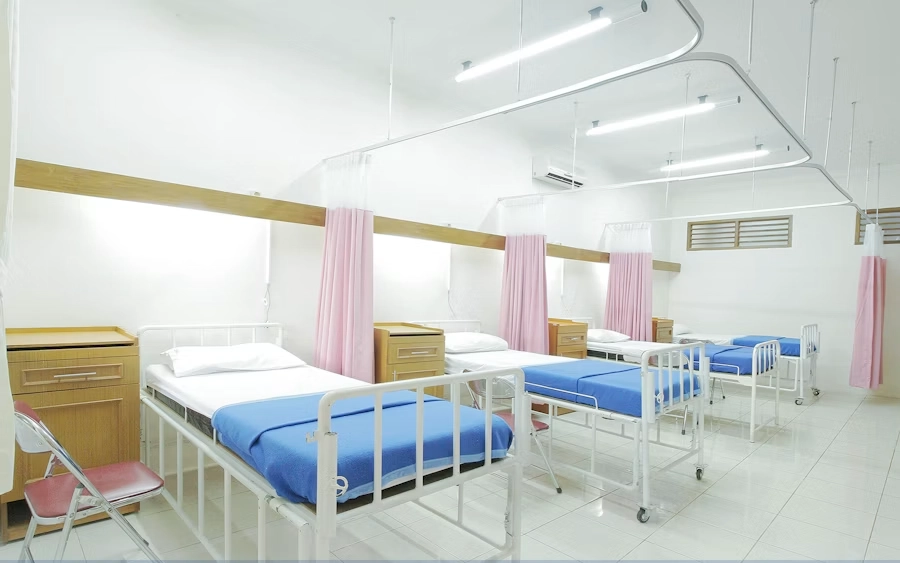
Post-acute and long-term care providers

Health information exchanges and networks

EHR and healthcare software vendors

Digital health and care management companies

Healthcare payers and care coordination teams

Clinical analytics and population health organizations
Why Choose CapMinds as a CCD/C-CDA Integration Solution?
18+ Years in Healthcare Technology
Apply long-standing healthcare experience to workflow decisions, interoperability challenges, operational risks, and modernization planning.

Document-to-EHR Engineering
Build generation, parsing, mapping, and application logic around how clinical documents are received, interpreted, and used within EHR workflows.
1 Accountable Team
Keep scope decisions, vendor coordination, milestones, and escalations under one delivery team with clearly assigned responsibilities.
Testing Beyond Document Delivery
Verify document conformance, patient association, and receiving-system behavior against agreed acceptance criteria before production rollout.
100% In-Scope Mapping Documentation
Document every agreed transformation and exception rule, giving internal teams traceable specifications for troubleshooting, maintenance, and future changes.
Built Around Existing Systems
Adapt integration to your installed EHR, available interfaces, and exchange partners, with phased improvements that preserve functioning workflows.

What Our Clients Say
Hear from healthcare leaders who’ve transformed their operations with our services & solution.
What Makes CapMinds a Practical CCD/C-CDA Integration Partner?
The work does not end when a document reaches the inbox. Someone needs to trust its patient association, understand its clinical context, and decide what belongs in the chart. CapMinds combines healthcare interoperability, EHR integration, and application engineering to make those steps part of the delivery plan, with explicit acceptance checks and support ownership.
HIPAA
COMPLIANCE

ISO 9001:2015
CERTIFIED

GDPR
COMPLIANT
SOC 2 TYPE 2
CERTIFIED
HL7 FHIR
STANDARDS

SNOMED CT
COMPATIBLE

HITRUST
ALIGNED
Technology & Integration Experience
The Standards and Tools Behind Usable Clinical Documents
Clinical Document Standards

C-CDA Document Workflows

Clinical Terminology and Identifiers
Document Transport and HIE Connectivity

Validation and Data Quality

EHR and Exchange Environments

Security and Production Operations

Put Your Care Summaries to Work Across the Care Network
Whether documents are being rejected, left unread, or manually copied into charts, start with the workflow that needs improvement. We help scope a focused CCD/C-CDA integration engagement.
- Connect supported EHR document workflows
- Generate and process agreed C-CDA templates
- Validate documents before downstream release
- Map supported clinical content into FHIR
- Establish patient reconciliation and support ownership
Frequently Asked Questions
What is the difference between CCD and C-CDA?
CCD is a Continuity of Care Document: a patient summary document type. C-CDA is a broader set of templates based on HL7 CDA that includes CCDs and other clinical documents, such as referral notes and discharge summaries. We scope the specific document types your workflow requires.
Can you connect CCD/C-CDA documents with our existing EHR?
Yes, where the EHR supports the required import, export, viewing, or incorporation workflow. We assess the installed environment, interface access, document versions, and patient association requirements before defining the integration. Available operations vary by system and configuration.
Can you extract structured data from incoming C-CDA documents?
Yes, where the required information is represented in accessible sections and structured entries. We define the data domains to extract, retain source context, and document handling for narrative-only information. Parsed data is routed through the agreed review and destination acceptance process.
Can you integrate with our HIE or document exchange network?
Yes, CapMinds can integrate with an existing HIE platform or document exchange network. Subject to network participation, available interfaces, permissions, and technical requirements. We assess supported document submission, query, retrieval, patient identity, and metadata workflows, then coordinate onboarding and acceptance testing with the HIE and your internal team.
Can incoming data automatically update medication and allergy lists?
That depends on the EHR’s capabilities and your reconciliation policy. We distinguish receiving a document from incorporating its entries into clinical lists. Duplicate, conflicting, or uncertain information follows approved review rules; a technical import should not silently replace clinician-maintained data.
How long does a CCD/C-CDA integration project take?
A single focused workflow typically takes about 6 to 12 weeks, a mid-complexity project with multiple document types or FHIR mapping runs about 3 to 5 months, and a multi-EHR or HIE program can take 5 to 9 months or more. Partner onboarding, vendor access, and acceptance testing are often the biggest schedule drivers. A firm schedule is confirmed after discovery, and delivery can be phased around a clearly defined first use case.
Can you provide ongoing integration support?
Yes. Support can cover document failures, template changes, mapping maintenance, partner coordination, monitoring, and regression testing. Coverage hours, response targets, supported components, and escalation responsibilities are agreed in the engagement, including any requirement for round-the-clock coverage.
What Do CCD/C-CDA Implementation Services Include?
Our CCD Implementation Services cover continuity-of-care summary workflows, while C-CDA implementation can also include referral notes, discharge summaries, and other agreed document types. Delivery can include EHR connectivity, generation, parsing, mapping, validation, transport, FHIR conversion, and operational support, scoped to your exchange requirements.
Can you generate discharge summaries and referral documents?
Yes. We can build document generation around supported C-CDA templates and available source data. Scope includes required headers, sections, entries, narrative, and validation. Required clinical information must come from an appropriate source; missing data is handled explicitly rather than invented.
Can you convert C-CDA documents into FHIR resources?
Yes. We map agreed clinical content into appropriate FHIR resources and profiles using applicable guidance and project-specific rules. Conversion preserves source context and identifies missing or unmapped content. It is not automatically lossless, and not every document element has a direct resource equivalent.
Is C-CDA itself a secure transport protocol?
No. C-CDA defines clinical document content and structure. Transport and security are implemented through the selected exchange method, such as Direct messaging, supported EHR interfaces, or HIE profiles. Access, authorization, and organizational agreements must also fit the exchange.
Which C-CDA version should our integration support?
The version should match the sending systems, receiving partners, and applicable program requirements. The newest published HL7 guide is not automatically the required version for every installed system. We review your environment before selecting templates, tooling, and compatibility tests.
How much do CCD/C-CDA integration services cost?
A single focused workflow typically costs roughly $25,000 to $60,000, a mid-complexity integration with FHIR conversion and validation about $60,000 to $150,000, and a multi-EHR or HIE program $150,000 to $400,000 or more. Ongoing support is commonly 15 to 20 percent of the build cost per year. EHR vendor, HISP, HIE, or infrastructure fees may be separate, and discovery identifies the work needed for a meaningful estimate.
How do we start a CCD/C-CDA integration engagement?
Share the sending and receiving systems, intended workflow, document types, current issues, and any de-identified examples or validation reports. We use that information to identify requirements and scope the next steps. Patient-identifiable samples should use an approved secure transfer process.
Resources
Insights for Healthcare Technology Teams.
How to Build a HIPAA-Compliant EMR/CRM for Plastic Surgery and Aesthetic Medicine
A plastic surgery patient may begin as an Instagram inquiry, schedule a consultation, submit medical history, receive a treatment estimate, upload photographs, pay a deposit, undergo a […]

Designing a Central Interoperability Hub: HL7 v2, FHIR, CCD, and Direct Messaging
Healthcare companies are under significant pressure to share clinical and administrative data across systems, locations, and care teams. Disparate data standards, regulatory requirements, and dispersed legacy systems, […]

Top Middleware Tools for HL7, CCD, and Claims Integration
Healthcare interoperability relies on standards like HL7 for messaging, Continuity of Care Documents (CCD) for patient summaries, and ANSI X12 EDI formats for claims. HL7 is “a […]