Medical Device Integration & Interoperability
Accelerate Clinical Data Access by 50% With Connected Medical Devices
Connect medical devices, diagnostic systems, imaging, and RPM platforms to EHRs
using HL7, FHIR, APIs, and Mirth Connect. Our medical device integration services
improve data availability and reduce manual entry.




















Our Medical Device Integration Services
Turn Medical Device Data Into Clinically Useful Information
Advanced Capabilities
Build a Connected Foundation for Medical Device Data
Device Integration Architecture
Assess device protocols, interface requirements, target systems, data pathways, and deployment constraints to establish an integration architecture that fits your environment.
Multi-Vendor Device Connectivity
Connect multi-vendor devices through compatible interfaces and gateways. Our medical device connectivity solutions enable reliable data exchange across healthcare systems.
Clinical Data Standardization
Establish consistent mappings for measurements, units, timestamps, identifiers, and clinical concepts so information remains interpretable as it moves between systems.
Real-Time and Event-Driven Data Flows
Design data exchange around the latency, volume, reliability, and alerting needs of each use case, including scenarios where near-real-time delivery is important.
Secure Device Data Exchange
Incorporate authentication, authorization, encryption, access controls, auditability, and appropriate network boundaries into device connectivity and data exchange workflows.
Device Lifecycle and Version Management
Plan for firmware changes, interface updates, vendor modifications, and application upgrades so changes can be assessed and tested without unnecessary disruption.
Data Quality and Reconciliation
Validate incoming readings, identify incomplete or inconsistent records, and establish reconciliation workflows that help downstream systems handle exceptions appropriately.
Analytics and AI Readiness
Prepare device-generated information for reporting, population health, remote monitoring analytics, and AI-enabled applications through structured data pipelines and governed access.
Business Outcomes
Business Outcomes That You Can Expect
Case Studies
We’ve successfully implemented a range of solutions. See how healthcare organizations
like yours achieved measurable results with CapMinds.
End-to-End RCM Automation for UiPath Using a Custom EMR
- 100% automation of standard RCM processes
- 50% faster claim turnaround
- Zero errors in claim formatting and submission
Westside Behavioral Care with a Custom EMR Platform
- Centralized EMR with consolidated patient data.
- 100% paperless onboarding process
- 90% automation in scheduling and documentation

UDS Reporting for Ventura County Health Care Agency (VCHCA)
- Automated processing of 100,000+ records
- FHIR validation and HRSA mock submission in 10 weeks
- 100% HRSA compliance
Is Disconnected Device Data Slowing Your
Clinical Workflows?
When medical devices, EHRs, diagnostic systems, and remote monitoring platforms operate separately, valuable information can become difficult to access and maintain. We help you identify integration gaps and build a practical path toward connected, validated, and maintainable device data flows.
Who Do We Serve?
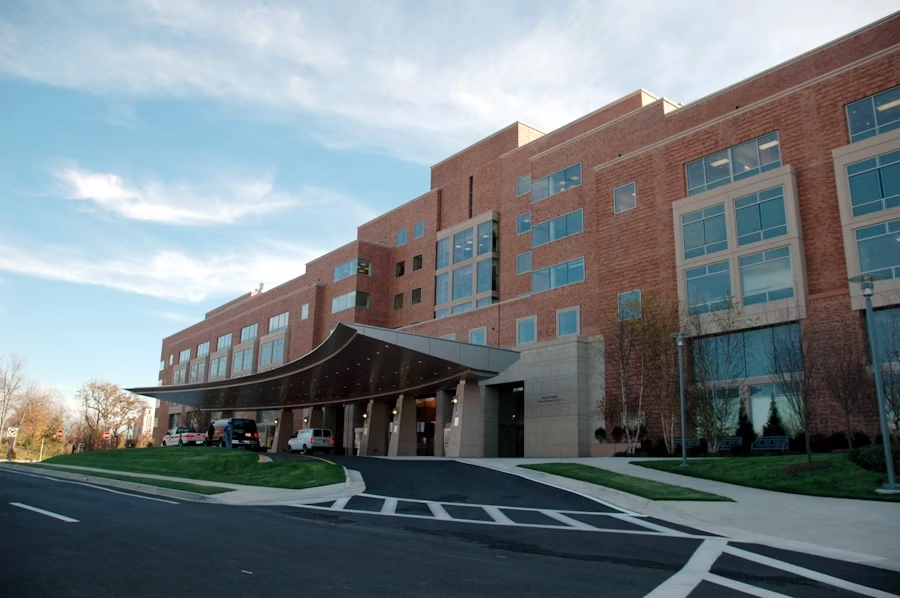
Hospitals & Health Systems
Medical Device Manufacturers
Diagnostic Laboratories
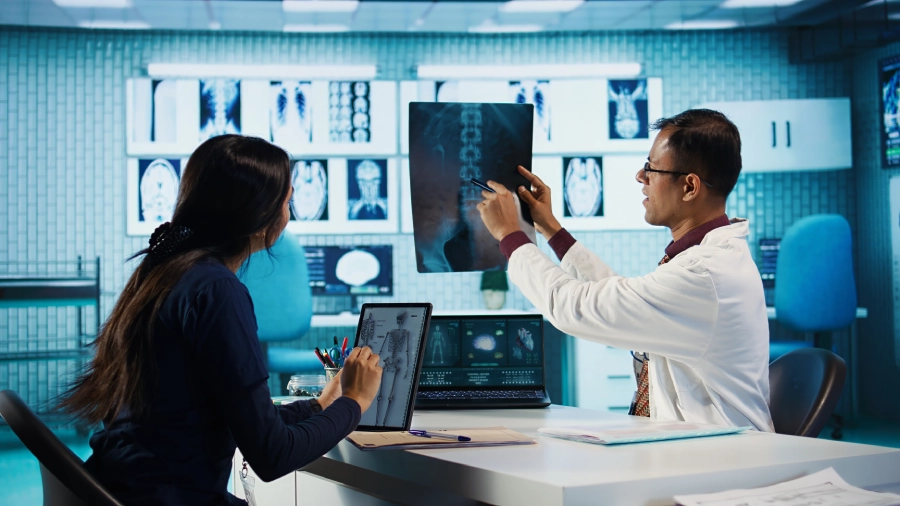
Radiology & Imaging Centers

Remote Patient Monitoring Providers

Digital Health Organizations

Medical Technology Companies
Specialty Practices
Ambulatory Care Organizations

Clinical Research Organizations

Healthcare Technology Vendors
Why Healthcare Organizations Choose CapMinds
as a Medical Device Integration Company
18+ Years in Healthcare Technology
Bring proven healthcare technology experience to complex decisions, workflows, risks, and long-term transformation goals confidently.
10+ Medical Device Integration Use Cases
Connect compatible medical devices with EHRs, diagnostic systems, imaging platforms, and RPM applications using HL7, FHIR, APIs, and integration engines.
Clinical Data and Interface Engineering
Combine protocol handling, data mapping, validation, application development, and workflow knowledge to address the full data exchange process.
100% Integration Validation Before Go-Live
Validate device connectivity, data mapping, patient association, and end-to-end exchange against agreed test scenarios to identify integration issues before deployment.
Testing Built Into the Integration Lifecycle
Account for data accuracy, patient association, exception handling, connectivity, and end-to-end workflow behavior rather than treating interface activation as the only milestone.
Support Beyond Deployment
Continue improving connected workflows through troubleshooting, interface updates, performance reviews, documentation, and ongoing maintenance.

What Our Clients Say
Hear from healthcare leaders who’ve transformed their operations with our services & solution.
What Makes CapMinds a Trusted Medical Device Integration Partner?
Medical device integration has to do more than establish connectivity. Device data must reach the correct destination, retain its intended meaning, and be handled according to the clinical and technical requirements of the environment. We bring healthcare interoperability, software engineering, interface development, data transformation, and integration testing together to help organizations build maintainable device connectivity.
HIPAA
COMPLIANCE

ISO 9001:2015
CERTIFIED

GDPR
COMPLIANT
SOC 2 TYPE 2
CERTIFIED

HL7 FHIR
STANDARDS
SNOMED CT
COMPATIBLE

HITRUST
ALIGNED
Technology & Data Engineering Experience
Match the Pipeline to Your Sources, Destination, and Workload
Medical Device & Clinical Systems
Vital Signs Monitors
Diagnostic Analyzers
Medical Imaging Equipment
Connected Medical Devices
RPM Devices
Healthcare Interoperability
FHIR R4
REST APIs
SMART on FHIR
DICOM
C-CDA
XML
JSON

Integration Engines
Rhapsody
Infor Cloverleaf
HAPI FHIR
Custom Integration Services
EHR & EMR Platforms
Oracle Health
MEDITECH
OpenEMR
athenahealth
eClinicalWorks
NextGen
Allscripts
Veradigm
Custom EHR/EMR

Laboratory & Diagnostic Platforms

Imaging Systems
RIS
DICOM Modalities
Imaging Viewers
Radiology Applications
Are Your Medical Devices Delivering Data Where It Needs to Go?
Connect medical devices with the clinical applications, data platforms, and workflows that depend on them. CapMinds can help assess your current environment and plan the next stage of device interoperability through medical device integration services tailored to your devices, systems, and workflows.
- Medical device and EHR integration
- HL7 and FHIR connectivity
- RPM and IoMT integration
- Diagnostic and imaging connectivity
- Medical device API development
Frequently Asked Questions
What is medical device integration in healthcare?
Medical device integration connects devices and equipment with healthcare information systems so data can be exchanged and used by other systems. Depending on the use case, this can include sending measurements to an EHR, transferring diagnostic results, or connecting remote monitoring devices with clinical applications. The FDA describes interoperability as the ability to safely, securely, and effectively exchange and use information across devices and systems.
Which protocols are used for medical device integration?
The appropriate protocol depends on the device and receiving system. Common technologies include HL7 v2, FHIR, REST APIs, DICOM for imaging workflows, and device-specific protocols or vendor interfaces. Not every device supports every standard, so compatibility should be assessed before implementation.
Can you connect remote patient monitoring devices to clinical systems?
Yes. We can connect remote patient monitoring devices to clinical systems. RPM integration can connect supported devices and monitoring platforms with EHRs, patient applications, and clinical data environments. The design depends on device connectivity, data availability, patient matching, transmission frequency, alert requirements, and the receiving platform’s capabilities.
Can you integrate diagnostic and laboratory devices with an LIS or EHR?
Yes. CapMinds can integrate diagnostic and laboratory devices with an LIS or EHR system. Integration can connect diagnostic instruments with laboratory information systems and EHRs to support appropriate order, result, specimen, and patient information exchange. The interface design depends on the equipment, vendor-supported protocols, workflow requirements, and target systems.
How do you test medical device integrations before go-live?
Testing can cover connectivity, data mapping, patient association, units, timestamps, error handling, message delivery, performance, and end-to-end workflow behavior. The validation plan should reflect the risks and intended use of the connected systems. FDA guidance specifically addresses safety and effectiveness considerations for interoperable medical devices.
How long does a medical device integration project take?
Timelines depend on scope. A single device with a supported vendor interface typically takes 4-8 weeks, while a multi-device or multi-vendor integration within one care setting usually runs 3-6 months.
Enterprise-wide programs spanning multiple sites, vendors, and clinical systems often take 6-12 months or more. The main factors are the number and type of devices, vendor interface availability, protocol complexity, the receiving systems involved, data validation and testing requirements, and deployment constraints such as clinical downtime windows. These figures are indicative, and a short assessment will give you a firm timeline for your environment.
Can medical devices be integrated with an EHR?
Yes, when the device, EHR, and integration architecture support the required data exchange. Depending on the device, integration may use vendor APIs, HL7 messages, gateways, middleware, or custom interfaces. Patient association, data mapping, validation, and workflow requirements should be addressed as part of the design.
Can you integrate medical devices using Mirth Connect?
Yes, we seamlessly integrate medical devices with healthcare systems using Mirth Connect. Where the device or connected system exposes a compatible interface. Mirth Connect can support message routing, transformation, and exchange across healthcare applications, including appropriate HL7 and API-based workflows. Device-specific connectivity may require additional adapters, vendor interfaces, or custom development.
How do you ensure medical device data is accurate?
Data quality controls can include field mapping, measurement-unit normalization, patient and encounter matching, timestamp validation, range checks, duplicate detection, and end-to-end testing. Clinical validation requirements depend on the device, use case, and intended downstream use.
Can medical imaging devices be integrated with EHRs and PACS?
Yes. Medical imaging devices can be integrated with EHRs and PACS. Imaging workflows may involve DICOM communication between modalities and imaging systems, alongside HL7 or API-based exchange for orders, patient context, and reports. The specific architecture depends on the modality, PACS/RIS environment, EHR, and required workflow.
Can you integrate devices from multiple manufacturers?
Potentially, yes. We can integrate devices from multiple manufacturers, but it depends on each device’s supported protocols, interface specifications, vendor access, and data model. A multi-vendor architecture may require device-specific adapters, normalized data structures, and consistent validation rules.
How does a medical device integration engagement begin?
Every engagement begins with a discovery assessment, typically lasting 1-3 weeks depending on scale. We review your device models, vendor interfaces, target applications, protocols, data requirements, security constraints, and clinical workflows. You receive a defined integration architecture, a validation approach, a clear project scope, and a prioritized implementation roadmap so you can move forward with confidence.
Resources
Insights for Healthcare Technology Teams.
Web-Based DICOM Viewers vs Traditional PACS: Which Scales Better?
Healthcare practices face demand on medical imaging operations to become more scalable, adaptable, and efficient. For the storage, retrieval, and viewing of DICOM, two main software programs […]
The Comprehensive Features of DICOM Viewer Healthcare Practices Should Know
Do you know that more than 4 billion medical imaging procedures are done annually? Efficient image analysis directly depends on accurate diagnosis and quality patient care.

What is DICOM? 6 Use Cases for Pathology Practice
In pathology, excellent data management and image interchange are critical for accurate patient diagnosis. The widely used DICOM standard enables the smooth sharing of medical images and […]