LIS Implementation Services
Reduce Lab Turnaround Time by Up to 25% With a Fully Connected LIS
Connect LIS with EHR/HIS, analyzers, and clinical systems through HL7/FHIR, secure migration, workflow automation, and validation to reduce manual work and improve laboratory efficiency.

















Our LIS Implementation Services
From Specimen to Result, Make Every Step Work Together
Advanced Capabilities
Build a Laboratory Environment That Performs Beyond Go-Live
End-to-End Order-to-Result Architecture
Map the complete laboratory information flow from clinical order through specimen collection, processing, validation, reporting, and result delivery.
Instrument Connectivity Strategy
Create a scalable approach for connecting current and future analyzers without turning every new instrument into a separate integration project.
Interface Monitoring & Exception Management
Identify failed, delayed, rejected, or incomplete messages quickly so interface problems do not silently become operational problems.
Laboratory Data Quality
Improve consistency across patient identifiers, specimen identifiers, test codes, result values, reference ranges, and downstream clinical records.
Multi-Laboratory & Multi-Site Rollouts
Standardize core LIS architecture and integration patterns while supporting the operational differences across facilities and laboratory departments.
Reference Laboratory Connectivity
Connect send-out testing workflows with external laboratories while maintaining order, specimen, patient, and result traceability.
LIS Modernization
Modernize legacy LIS environments through new integrations, APIs, FHIR capabilities, cloud architecture, workflow optimization, and data migration.
Continuous LIS Optimization
Keep improving workflows, interfaces, configurations, performance, and integration reliability as laboratory requirements evolve.
Business Outcomes
Turn Your LIS Investment Into Measurable Results
Case Studies
We’ve successfully implemented a range of solutions. See how healthcare organizations
like yours achieved measurable results with CapMinds.
End-to-End RCM Automation for UiPath Using a Custom EMR
- 100% automation of standard RCM processes
- 50% faster claim turnaround
- Zero errors in claim formatting and submission

Westside Behavioral Care with a Custom EMR Platform
- Centralized EMR with consolidated patient data.
- 100% paperless onboarding process
- 90% automation in scheduling and documentation

UDS Reporting for Ventura County Health Care Agency (VCHCA)
- Automated processing of 100,000+ records
- FHIR validation and HRSA mock submission in 10 weeks
- 100% HRSA compliance
Is Your Laboratory Losing Time Between Systems?
If staff are re-entering orders, manually posting results, fixing interface errors, or waiting on disconnected systems, your LIS may be creating more work than it should. Get a practical assessment of your LIS, integrations, instruments, data, and workflows to identify where improvements can make the biggest difference.
Who Do We Serve?
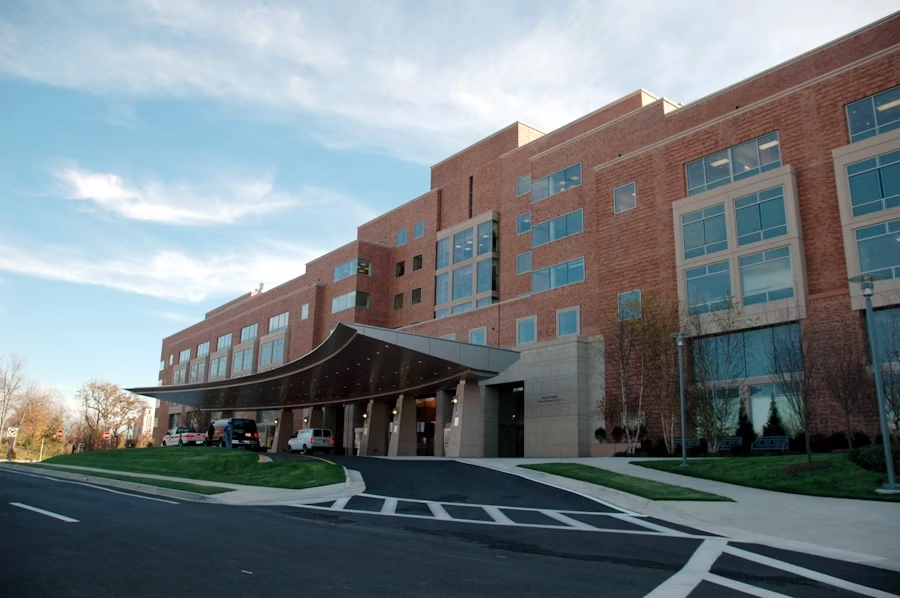
Hospitals & Health Systems

Hospital Laboratories
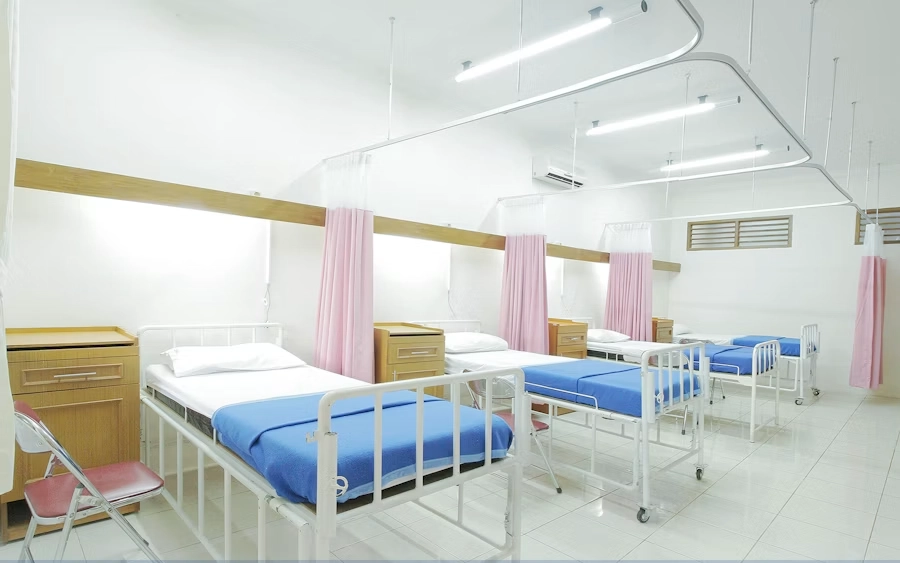
Independent Diagnostic Laboratories

Reference Laboratories

Multi-Site Laboratory Networks

Specialty Laboratories

Pathology Laboratories

Clinical Research Organizations

FQHCs & Community Health Centers

Healthcare Technology Organizations

Digital Health & Laboratory Technology Companies
Why Healthcare Organizations Choose CapMinds for LIS Implementation
18+ Years in Healthcare Technology
Bring proven healthcare technology experience to complex decisions, workflows, risks, and long-term transformation goals confidently.
95%+ On-Time Milestone Delivery
Maintain delivery discipline through defined milestones, proactive risk management, structured testing, and implementation governance.
Scalable Delivery Across Laboratory Environments
Scale delivery across single and multi-site laboratories while adapting to evolving integration, instrument, data, and workflow needs.
End-to-End LIS Implementation
Manage configuration, integration, migration, testing, deployment, training, and post-go-live support through one healthcare technology team.
Healthcare Interoperability Expertise
Connect LIS environments with EHRs, HIS platforms, laboratory instruments, RCM systems, and other healthcare applications using HL7, FHIR, APIs, and integration technologies.
Laboratory Data & Integration Support
Protect laboratory data integrity through structured migration, validation, interface monitoring, instrument connectivity, and ongoing LIS support.

What Our Clients Say
Hear from healthcare leaders who’ve transformed their operations with our services & solution.
What Makes CapMinds a Trusted LIS Implementation Partner?
A successful LIS is more than a system that stores laboratory results. It needs to connect with the EHR, communicate with instruments, preserve patient and specimen data, support laboratory workflows, and deliver validated results where they are needed. CapMinds combines LIS implementation advisory, interoperability, instrument integration, data migration, testing, deployment, and managed support to build a reliable laboratory technology environment.
HIPAA
COMPLIANCE

ISO 9001:2015
CERTIFIED

GDPR
COMPLIANT
SOC 2 TYPE 2
CERTIFIED

HL7 FHIR
STANDARDS

SNOMED CT
COMPATIBLE

HITRUST
ALIGNED
Technology and Integration Experience
Connect the Technology Behind Modern Laboratory Operations
LIS & EHR/EMR Ecosystems ➜
Laboratory Interoperability ➜

Laboratory Instrument Connectivity ➜
Interface & Integration Technology ➜

Laboratory Data & Migration ➜

Cloud & Healthcare Infrastructure ➜
Build an LIS That Keeps Your Laboratory Moving
Your laboratory does not need another technology project that ends at go-live. It needs an LIS that connects systems, instruments, data, and people, and continues working as the laboratory grows. CapMinds brings implementation, interoperability, migration, validation, deployment, training, and managed support together to make that happen.
- LIS implementation and configuration
- EHR/HIS and lab system integration
- HL7, FHIR, and instrument connectivity
- Secure LIS data migration and validation
- Testing, training, and go-live support
Frequently Asked Questions
How does an LIS implementation engagement begin?
The engagement typically starts with an assessment of the existing LIS environment, laboratory workflows, EHR/HIS connections, instruments, interfaces, data, and implementation goals. That assessment becomes the basis for the implementation, integration, migration, testing, deployment, and support roadmap.
Can CapMinds integrate our LIS with an EHR or HIS?
Yes. CapMinds can help practices to integrate LIS with EHR systems or HIS. LIS-to-EHR/HIS integration can support electronic orders, patient demographics, specimen information, and laboratory results using healthcare interoperability standards and APIs.
Do you support HL7 and FHIR for LIS integration?
Yes. CapMinds can support HL7 and FHIR for LIS Integration. HL7 is widely used for laboratory order and result workflows, while FHIR can support modern API-based exchange. CapMinds can design integration architectures around the standards appropriate for the systems involved.
How do you maintain data accuracy during LIS migration?
Data is profiled and mapped before migration, then validated against the source and target environments.
Reconciliation helps identify missing, duplicated, transformed, or incorrectly mapped records before the new LIS becomes the production system.
What happens if an LIS interface fails?
Interface monitoring and exception management help identify failed or rejected messages and determine where corrective action is needed. The objective is to prevent silent interface failures from becoming delayed orders, missing results, or manual reconciliation work.
Do you provide LIS training?
Yes. Training can be organized around user roles and real laboratory workflows, including technologists, pathologists, administrators, super-users, and other relevant teams.
Can you support multiple laboratory sites?
Yes. Multi-site implementations can use standardized integration patterns and governance while allowing individual laboratories to accommodate differences in instruments, workflows, specialties, and operational requirements.
Can you support Healthcare LIS Implementation across multiple systems?
Yes. Our Healthcare LIS Implementation approach can connect laboratory systems with EHRs, HIS platforms, instruments, reference laboratories, RCM systems, patient portals, and other healthcare applications.
Can you connect laboratory instruments to the LIS?
Yes. We can help to connect laboratory instruments to the LIS systems. Instrument integration can connect analyzers to the LIS for automated result exchange and, where supported, bidirectional communication. Instrument interfaces may use standards such as HL7 or ASTM depending on the equipment and environment.
Can you migrate data from our existing LIS?
Yes. We can help to migrate data from an existing LIS platform with zero data loss. LIS migration can include patient, specimen, test, result, provider, facility, and other historical laboratory data. The migration process can include extraction, profiling, mapping, transformation, cleansing, validation, reconciliation, testing, and controlled cutover.
How do you test an LIS before go-live?
Testing should cover more than the LIS application itself. We can test laboratory workflows, EHR/LIS interfaces, instrument connectivity, HL7/FHIR messages, migrated data, order-to-result workflows, exception scenarios, reports, and user acceptance.
Can you help reduce laboratory turnaround time?
Yes. We can help to reduce laboratory workflow optimization, instrument integration, automated result exchange, reliable interfaces, and reduced manual data entry can all contribute to faster laboratory workflows. Actual improvement depends on the laboratory’s current processes, systems, volumes, instruments, and implementation scope.
How do you prepare for LIS go-live?
Go-live preparation includes workflow validation, interface testing, data validation, user acceptance testing, deployment planning, issue tracking, cutover planning, and support readiness. The objective is to identify critical problems before they reach production and to give hospital teams a controlled transition.
What happens after LIS go-live?
Post-go-live support can include hypercare, issue resolution, interface monitoring, configuration changes, instrument integration support, performance monitoring, upgrades, and ongoing optimization.
Resources
Insights for Healthcare Technology Teams.
Designing a Cloud-First Healthcare IT Strategy for Enterprise Agility
U.S. healthcare firms are under pressure to update their Heath IT infrastructure and react swiftly to evolving patient care requirements while upholding stringent security and compliance regulations. […]
Digital Leadership in Healthcare: What Forward-Thinking CIOs Are Doing Differently
Innovative Medical Care CIOs are reimagining how technology may enhance operational excellence and patient care. These individuals, who are no longer just IT managers, leverage cutting-edge technologies […]
The Business Case for Building a Custom Patient Portal in 2026
Healthcare executives are under more pressure than ever to enhance clinical results, reduce expenses, and provide patients with the experiences they anticipate from contemporary digital services. A […]