Managed Network Services
Reduce Healthcare Network Downtime by 60%
With Managed Services
Keep every location connected with Managed Network Services for healthcare while CapMinds manages networks, wireless, security, performance, carriers, and failover around critical healthcare workflows.

















Our Services
One Network Operating Model for Every Healthcare Location
Advanced Capabilities
Advanced Network Capabilities for Complex Healthcare Operations
Go Beyond Device Availability
Once network operations are stable, CapMinds can help improve workflow visibility, medical-device governance, automation, standardization, resilience, and cost control through healthcare network management outsourcing.
Clinical Workflow Path Mapping
Connect network paths and dependencies to scheduling, documentation, orders, results, claims, imaging, portals, telehealth, and patient communication.
Synthetic Network Experience Monitoring
Test complete digital transactions from healthcare locations to applications rather than checking only whether individual network devices respond.
IoMT and Medical-Device Network Visibility
Discover connected devices, classify network behavior, identify owners, and coordinate segmentation around clinical use and manufacturer constraints.
Network Automation and NetDevOps
Standardize repeatable network changes through templates, APIs, configuration as code, automated validation, controlled rollback, and traceable automation.
Digital Experience Monitoring
Measure user-to-application performance across devices, wireless, DNS, internet, VPN, cloud, and SaaS paths rather than relying only on infrastructure uptime.
Unified Network Operations Portal
Give authorized teams visibility into availability, incidents, SLAs, changes, assets, capacity, risks, carrier performance, and service-improvement activity.
Zero-Touch Site Deployment
Use approved configurations and remote provisioning to onboard clinics, acquisitions, branch locations, and network devices consistently.
Network Policy Source of Truth
Maintain approved device state, policies, templates, ownership, automation code, and configuration history through governed repositories.
Network Event Correlation
Group related device, circuit, wireless, cloud, and application-path events to reduce duplicate alerts and shorten investigation time.
Business Outcomes
Business Outcomes That Keep Healthcare Operations Connected
Case Studies
We’ve successfully implemented a range of solutions. See how healthcare organizations
like yours achieved measurable results with CapMinds.

End-to-End RCM Automation for UiPath Using a Custom EMR
- 100% automation of standard RCM processes
- 50% faster claim turnaround
- Zero errors in claim formatting and submission

Westside Behavioral Care with a Custom EMR Platform
- Centralized EMR with consolidated patient data.
- 100% paperless onboarding process
- 90% automation in scheduling and documentation

UDS Reporting for Ventura County Health Care Agency (VCHCA)
- Automated processing of 100,000+ records
- FHIR validation and HRSA mock submission in 10 weeks
- 100% HRSA compliance
Not Sure What’s Putting Your Network at Risk?
Tell us where connectivity, wireless, carriers, security, or failover is creating concern. We’ll help identify the network gaps worth addressing first.
Who Do We Serve?
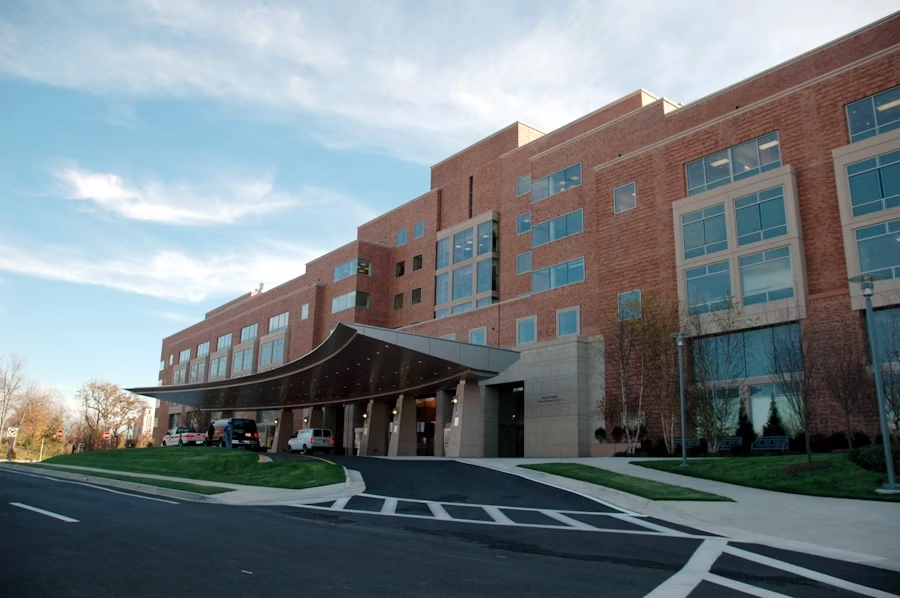
Hospitals & Health Systems

FQHCs & Community Health Centers
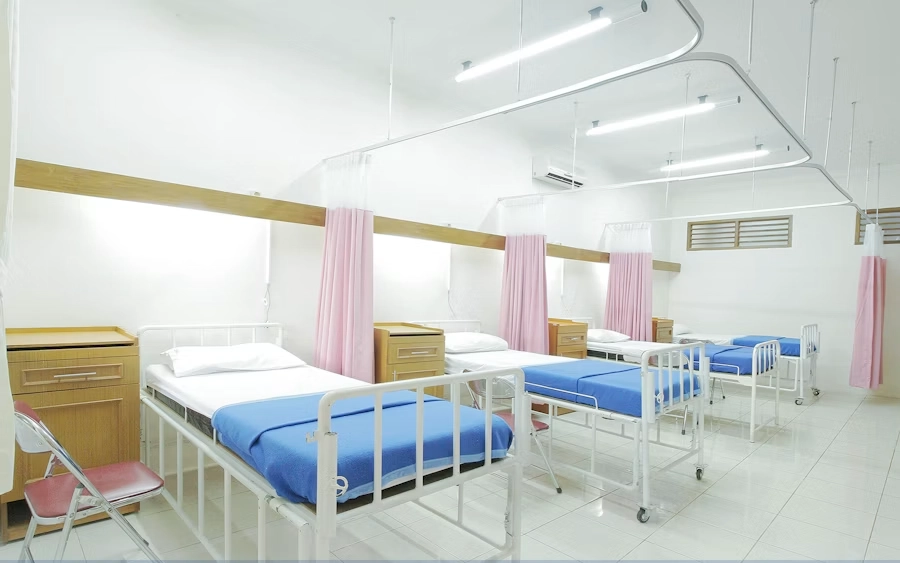
Multi-Site Medical Groups

Specialty & Ambulatory Practices

Behavioral Health Organizations

Laboratories & Imaging Organizations

Healthcare Payers & TPAs

RCM & Medical Billing Organizations

Digital Health Organizations

Healthcare SaaS Companies

Healthcare Startups

Public Health Organizations
Why Healthcare Organizations Choose CapMinds?
18+ Years in Healthcare Technology
Bring proven healthcare technology experience to complex decisions, workflows, risks, and long-term transformation goals confidently.

1300+ Completed Projects
Apply lessons from 1300+ completed projects to improve planning, execution, problem-solving, and delivery confidence consistently.
Trusted by 400+ Healthcare Organizations
Partner with a healthcare technology team trusted by 400+ organizations for accountable, dependable project delivery.
Network Cost Optimization
Align bandwidth, circuits, carriers, and support costs with actual utilization, resilience needs, and business priorities.
Secure Network Operations
Manage segmentation, access, firewalls, remote connectivity, and configuration controls to protect critical healthcare network operations.
Multi-Site Network Scale
Standardize monitoring, security, configurations, and support across growing locations without multiplying network management complexity unnecessarily.

What Our Clients Say
Hear from healthcare leaders who’ve transformed their operations with our services & solution.
What Makes CapMinds a Trusted Managed Network Partner
CapMinds combines healthcare network expertise with proactive monitoring, secure connectivity, multi-site operations, and failover readiness to keep critical healthcare environments connected and reliable. Our healthcare network management company approach brings network operations, security, performance, and continuity under one coordinated service model.
HIPAA
COMPLIANCE

ISO 9001:2015
CERTIFIED

GDPR
COMPLIANT

SOC 2 TYPE 2
CERTIFIED

HL7 FHIR
STANDARDS

SNOMED CT
COMPATIBLE

HITRUST
ALIGNED
Technology and Integration Expertise
Network Technologies and Platforms We Support
Network Architecture ➜

Network Infrastructure ➜

Cloud Connectivity ➜
Network Security ➜

Monitoring and Observability ➜

Network Automation and Operations ➜

Secure Access and Edge Security ➜

Keep Every Healthcare Location Securely Connected
Put one healthcare-focused team behind your network devices, circuits, wireless environments, cloud paths, security controls, carriers, and continuity priorities with Managed Network Services for healthcare.
- Detect network degradation earlier
- Improve EHR and telehealth performance
- Standardize connectivity across locations
- Strengthen segmentation and secure access
- Reduce risk from uncontrolled changes
- Maintain operations during network failures
Frequently Asked Questions
What are managed network services in healthcare?
Managed network services provide ongoing monitoring, administration, security, performance management, optimization, and incident support for healthcare connectivity. Coverage may include LAN, WAN, SD-WAN, wireless, routers, switches, firewalls, circuits, VPNs, cloud connections, NOC operations, configuration changes, carrier coordination, and network continuity.
Can CapMinds manage networks across multiple locations?
Yes. CapMinds can manage circuits, devices, configurations, wireless environments, carriers, VPNs, firewalls, monitoring, and failover across hospitals, clinics, FQHC sites, remote offices, data centers, and cloud environments. Standards and responsibilities are defined across every covered location.
Does CapMinds manage LAN, WAN, and SD-WAN environments?
Yes. Coverage can include local and wide-area networks, SD-WAN, private circuits, internet connectivity, routers, switches, VPNs, cloud paths, carriers, traffic policies, redundant routes, performance, configuration, and incident management.
How does CapMinds support network security?
Support can include firewall administration, segmentation, VLANs, ACLs, network access control, VPNs, secure remote access, guest isolation, connected-device separation, configuration hardening, rule reviews, security-event coordination, and incident escalation. The exact controls depend on architecture and risk.
Can CapMinds coordinate carriers and internet providers?
Yes. CapMinds can monitor carrier performance, open incidents, coordinate troubleshooting, escalate unresolved issues, track restoration, validate recovered circuits, review recurring failures, and maintain circuit, contract, and support-contact documentation.
What should a managed network SLA measure?
An effective SLA may measure alert response, incident acknowledgment, escalation, communication, restoration, device and circuit availability, performance thresholds, change success, failover testing, recurring incidents, ticket aging, monitoring coverage, and vendor-resolution performance.
Does CapMinds provide 24/7 NOC monitoring?
CapMinds can provide 24/7 monitoring for agreed devices, circuits, sites, wireless systems, cloud connections, alerts, and severity levels. The service agreement defines coverage hours, response targets, escalation paths, communication expectations, vendor responsibilities, and restoration procedures.
What is included in managed wireless network services?
Wireless services may include assessments, coverage and capacity planning, access-point administration, controller management, RF monitoring, interference investigation, roaming optimization, authentication, guest access, segmentation, security monitoring, and support for mobile or connected healthcare devices.
Does CapMinds manage network configuration changes?
Yes. Changes can follow a documented process covering classification, impact assessment, approval, maintenance windows, configuration backups, deployment, rollback planning, post-change testing, validation, and reporting. Emergency procedures can also be defined for urgent changes.
Can CapMinds work with an internal network team?
Yes. Under a co-managed model, internal teams may retain architecture, governance, or strategic ownership while CapMinds provides monitoring, administration, incident response, vendor coordination, after-hours coverage, reporting, or specialized network expertise.
How much do managed network services cost?
Our managed network pricing depends on locations, circuits, devices, wireless access points, firewalls, cloud connections, support hours, monitoring scope, change volume, security requirements, vendor complexity, and SLA targets. Models may include fixed monthly, per-site, per-device, capacity-based, or blended pricing.
How are healthcare network services different from general network support?
Healthcare network services connect network performance with EHR availability, clinical mobility, medical devices, telehealth, imaging, interfaces, patient access, and revenue activity. Incidents are therefore prioritized according to operational and patient-care impact rather than device status alone.
Resources
Insights for Healthcare Technology Teams.
How OpenEMR Helps Mobile Clinics Cut Healthcare IT Expenses
More than 3,600 mobile clinics function in the United States and provide approximately 10 million health care visits annually. As they grow, they face healthcare IT costs, […]
Designing Color-Coded Provider Availability in OpenEMR for Faster Scheduling
When a patient asks, “Who has the earliest 60-minute appointment at our North Clinic this week?” how many calendars does your front desk need to check before […]
AI-Powered OpenEMR Forms: Turning PDFs Into Specialty Encounter Templates
A specialty practice may spend years refining a paper or PDF encounter form. The sections follow the clinician’s workflow. The questions reflect the specialty. The layout tells […]