AI Documentation Services
Reduce Documentation Burden With AI Documentation Services
Turn clinical conversations, encounters, and healthcare data into reviewable documentation that helps clinicians spend less time writing notes while preserving quality, workflow fit, and human accountability.



















Our Services
Make Clinical Documentation Faster Without Losing Quality
Advanced Capabilities
Control What Determines Documentation Quality
Source-Grounded Documentation
Connect generated content with encounter transcripts, EHR context, and approved clinical sources so reviewers can verify where important information originated.
Clinician Review Controls
Keep generated documentation in a draft or review workflow until the responsible clinician has reviewed, edited, and approved the content.
Specialty Adaptation
Configure terminology, templates, documentation patterns, and note structures around specialties instead of forcing every clinician into the same model.
EHR Documentation Integration
Connect drafts, transcripts, templates, and approved documentation with existing EHR workflows through supported APIs and interoperability methods.
Structured Note Generation
Generate defined sections, fields, and documentation formats rather than relying only on unrestricted narrative output.
Documentation Validation
Check draft notes for missing information, internal inconsistencies, unsupported statements, formatting issues, and workflow-specific requirements.
PHI-Aware Data Flows
Control how encounter audio, transcripts, prompts, clinical context, generated notes, logs, and downstream documentation handle protected information.
Documentation Evaluation
Test transcription quality, completeness, factual consistency, note usefulness, editing effort, and workflow performance using representative clinical scenarios.
Documentation Observability
Monitor adoption, processing time, note completion, clinician edits, failures, latency, usage, and operating cost after deployment.
Business Outcomes
Turn AI Documentation Into Business Value
Case Studies
We’ve successfully implemented a range of solutions. See how healthcare organizations
like yours achieved measurable results with CapMinds.
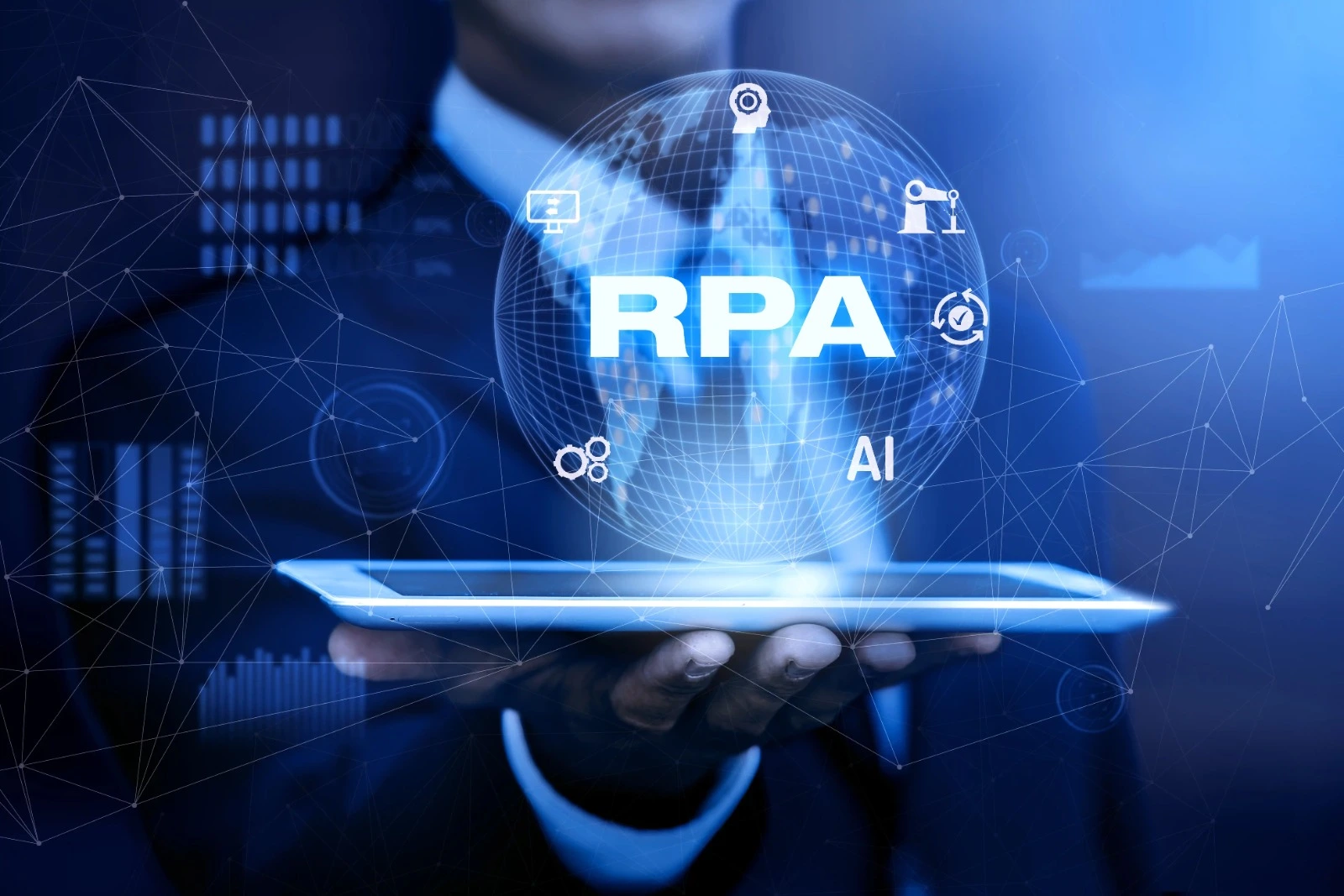
End-to-End RCM Automation for UiPath Using a Custom EMR
- 100% automation of standard RCM processes
- 50% faster claim turnaround
- Zero errors in claim formatting and submission

Westside Behavioral Care with a Custom EMR Platform
- Centralized EMR with consolidated patient data.
- 100% paperless onboarding process
- 90% automation in scheduling and documentation

UDS Reporting for Ventura County Health Care Agency (VCHCA)
- Automated processing of 100,000+ records
- FHIR validation and HRSA mock submission in 10 weeks
- 100% HRSA compliance
Not Sure Where AI Can Reduce Documentation Burden?
Tell us how your clinicians document today, where time is being lost, and what quality concerns exist. We’ll help identify where AI can support drafting, transcription, summarization, or validation while keeping clinicians in control.
Who Do We Serve?
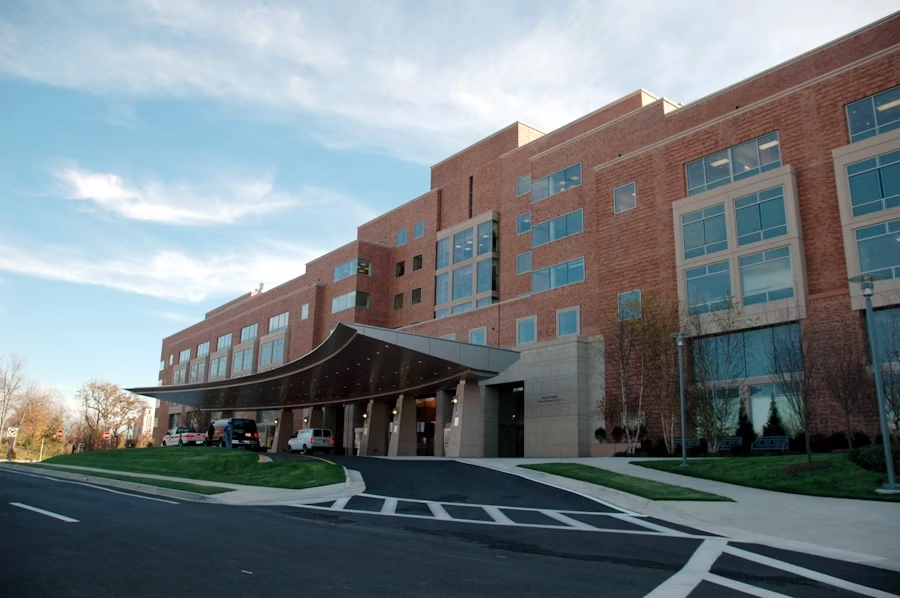
Hospitals & Health Systems

Medical Groups & Multi-Site Practices

FQHCs & Community Health Centers

Behavioral Health Organizations

Primary Care Organizations
Specialty Medical Practices
Ambulatory Care Organizations
Emergency & Urgent Care Organizations

Home Health Organizations
Post-Acute Care Organizations

Telehealth Organizations
Digital Health Companies

Startup Companies
Healthcare Software Vendors
Why Healthcare Organizations Choose CapMinds?
18+ Years in Healthcare Technology
Bring proven healthcare technology experience to complex decisions, workflows, risks, and long-term transformation goals confidently.

1300+ Completed Projects
Apply lessons from 1300+ completed projects to improve planning, execution, problem-solving, and delivery confidence consistently.
Trusted by 400+ Healthcare Organizations
Partner with a healthcare technology team trusted by 400+ organizations for accountable, dependable project delivery.
Clinician-Controlled Documentation
Keep AI-generated notes in review until clinicians verify, edit, and finalize them before they enter the medical record.
Source-Grounded Documentation Quality
Compare drafts with transcripts and approved clinical context so unsupported, missing, or inconsistent content is caught before finalization.
EHR Workflow Integration Expertise
Connect capture, drafting, review, and approved notes with existing EHR workflows so documentation fits how clinicians already work.

What Our Clients Say
Hear from healthcare leaders who’ve transformed their operations with our services & solution.
What Makes US a Trusted
AI Documentation Partner
CapMinds combines healthcare documentation expertise with source-grounded AI, clinician review, EHR workflow integration, and rigorous validation for reliable clinical documentation.
HIPAA
COMPLIANCE

ISO 9001:2015
CERTIFIED

GDPR
COMPLIANT
SOC 2 TYPE 2
CERTIFIED

HL7 FHIR
STANDARDS

SNOMED CT
COMPATIBLE

HITRUST
ALIGNED
Technology and Integration Experience
Technologies Selected Around Your Documentation Workflow
Ambient and Medical Speech AI ➜

Foundation Models ➜

Generative AI Platforms ➜
Clinical Documentation ➜

Healthcare Interoperability ➜

Clinical Note Exchange ➜
Healthcare Systems ➜

Reduce Documentation Work Without Losing Clinical Control
Start with the documentation workflows consuming the most clinician time and creating the greatest operational burden.
- Identify high-burden documentation workflows
- Define source data and EHR integration
- Keep clinician review before finalization
- Measure time, quality, adoption, and ROI
Frequently Asked Questions
How is an AI medical scribe different from ambient documentation?
Ambient documentation primarily describes the capture and processing of the clinical conversation. An AI medical scribe is the broader application and workflow that may combine ambient capture, transcription, clinical information extraction, note generation, clinician review, and EHR integration.
Do patients need to consent to ambient recording?
Yes, organizations should include ambient recording in the consent process. The requirements can depend on the technology, workflow, jurisdiction, organizational policy, and how audio is captured or retained. Healthcare organizations should establish appropriate notice or consent processes with their privacy and legal teams rather than assuming one recording rule applies everywhere.
How do you measure AI documentation ROI?
Start with the current documentation baseline. Measures can include time per note, after-hours documentation time, note completion time, clinician edits, adoption, documentation volume, support effort, operating cost, and clinician satisfaction with the workflow.
How long does AI documentation development take?
A focused transcription or note-generation workflow can move faster than an enterprise ambient documentation program spanning specialties, EHRs, security controls, multiple note types, and extensive validation. Timing depends on integration access, workflows, data, models, testing, security review, and production acceptance requirements.
Does an AI medical scribe automatically make documentation HIPAA compliant?
No. Implementing AI Medical Scribe does not automatically make documentation HIPAA Compliant. Using an AI documentation product does not independently establish HIPAA compliance. Covered entities and applicable business associates still need to address appropriate safeguards, access, vendors, PHI handling, security, risk management, and their complete operational environment.
How do you validate AI-generated clinical notes?
Validation can compare generated content with transcripts and approved clinical source information. Testing may evaluate completeness, factual consistency, unsupported statements, missing information, note structure, specialty relevance, clinician edits, and whether the documentation supports the intended workflow.
How should PHI be handled in ambient documentation?
The architecture should define how audio, transcripts, patient context, prompts, generated notes, logs, and temporary files are collected, transmitted, accessed, stored, retained, and removed. Controls should be aligned with the organization’s risk analysis, permitted uses, vendor arrangements, and applicable requirements.
Can CapMinds develop specialty-specific documentation workflows?
Yes. Documentation can be adapted around specialty terminology, note structures, workflows, templates, and evaluation requirements for areas such as primary care, behavioral health, cardiology, orthopedics, pediatrics, women’s health, and other defined specialties.
Where should we start with AI documentation?
Start with a documentation workflow that consumes significant clinician time, has repeatable note structures, accessible source information, measurable effort, and clear review ownership. A bounded use case usually provides a better first evaluation than attempting to automate every note type immediately.
What happens after AI documentation goes live?
Production monitoring should track transcription quality, generated-note quality, clinician edits, completion time, failures, latency, adoption, security events, model or prompt changes, and operating costs. Evaluation should continue as specialties, workflows, EHR configurations, and models change.
Resources
Insights for Healthcare Technology Teams.
How OpenEMR Helps Mobile Clinics Cut Healthcare IT Expenses
More than 3,600 mobile clinics function in the United States and provide approximately 10 million health care visits annually. As they grow, they face healthcare IT costs, […]
Designing Color-Coded Provider Availability in OpenEMR for Faster Scheduling
When a patient asks, “Who has the earliest 60-minute appointment at our North Clinic this week?” how many calendars does your front desk need to check before […]
AI-Powered OpenEMR Forms: Turning PDFs Into Specialty Encounter Templates
A specialty practice may spend years refining a paper or PDF encounter form. The sections follow the clinician’s workflow. The questions reflect the specialty. The layout tells […]