Digital Health
Platform Development Services
Connect Patient Access, Care Delivery, and Follow-Up
in a Connected Digital Health Platform
Build web and mobile platforms with EHR connectivity, cloud infrastructure, and governed automation to simplify care delivery, reduce manual work, and support sustainable business growth.



















Our Services
Build a Digital Health Platform That Works Across the Full Care Journey
Platform Engineering Capabilities
Advanced Capabilities for Reliable Digital Health Platform Operations
Organization and Tenant Separation
Define how organizations, locations, users, and records are separated, with permissions tested across shared infrastructure and administrative functions.
Connected Workflow States
Track whether a request is submitted, accepted, completed, or blocked, giving patients and staff an accurate view of what happens next.
Patient Identity Resolution
Account for duplicate records, changed demographics, and mismatched identifiers before linking information or writing it to connected systems.
Recoverable Transactions
Design retries, duplicate checks, and recovery steps so teams can investigate interrupted bookings, payments, and updates without repeating completed actions.
Traceable Clinical Information
Retain source details, timestamps, units, and transformation history where needed so teams can understand how information reached the platform.
Accessible User Experiences
Evaluate navigation, forms, error messages, and assistive technology support across priority patient and staff tasks.
Controlled Feature Rollouts
Release functionality to selected users or organizations first, monitor results, and expand access after agreed checks are complete.
Production Support Readiness
Prepare monitoring, incident routing, runbooks, and support ownership before launch, so operational teams can respond when something breaks.
Business Outcomes
Make Platform Growth Easier to Deliver and Easier to Manage
Case Studies
We’ve successfully implemented a range of solutions. See how healthcare organizations
like yours achieved measurable results with CapMinds.

End-to-End RCM Automation for UiPath Using a Custom EMR
- 100% automation of standard RCM processes
- 50% faster claim turnaround
- Zero errors in claim formatting and submission

Westside Behavioral Care with a Custom EMR Platform
- Centralized EMR with consolidated patient data.
- 100% paperless onboarding process
- 90% automation in scheduling and documentation

UDS Reporting for Ventura County Health Care Agency (VCHCA)
- Automated processing of 100,000+ records
- FHIR validation and HRSA mock submission in 10 weeks
- 100% HRSA compliance
Would a Quick Review Help Clarify Your Platform Priorities?
Share one platform challenge. Our engineers can help identify a practical next step. No technical brief or project plan needed.
Who Do We Serve?

Digital Health Startups

Established HealthTech Companies
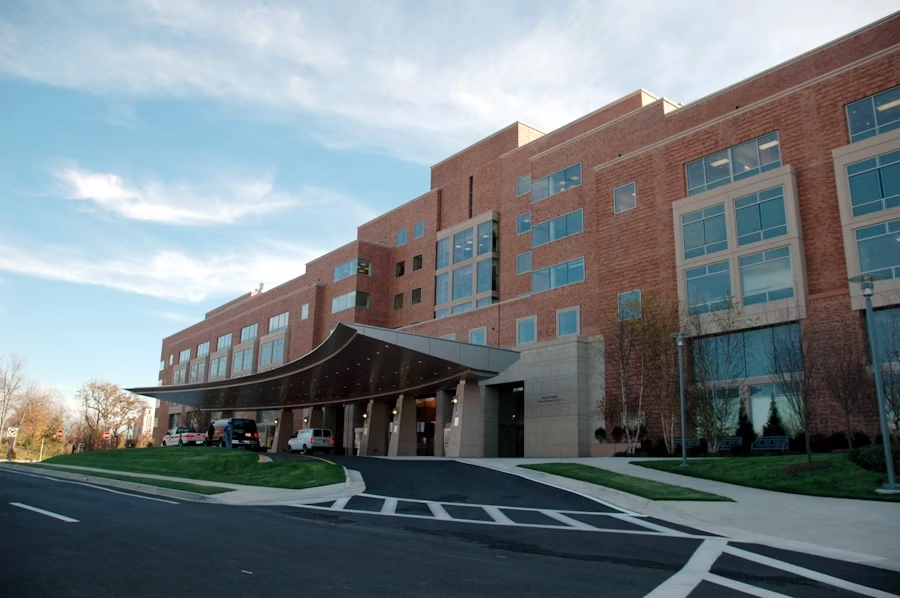
Hospitals and Health Systems
Physician Groups and Specialty Networks

Virtual Care Providers

Remote Monitoring Companies

Health Plans and Care Management Organizations

Healthcare Software Vendors

Diagnostic and Imaging Networks

Patient Engagement Companies
Why Build Your Digital Health Platform With CapMinds?
18+ Years in Healthcare Technology
Apply long-standing healthcare experience to workflow decisions, interoperability challenges, operational risks, and modernization planning.

Roadmap From Development Through Launch
Align features, integrations, testing, and deployment in one delivery roadmap, making priorities and dependencies visible to every stakeholder.
Complete Operational Handover
Bring code, deployment instructions, architecture records, and support responsibilities together so your team can maintain and extend the platform.
Product Decisions Made With Your Team
Work with your clinical, operational, and technical stakeholders to resolve requirements and make trade-offs visible before implementation proceeds.
Complete Workflow Demonstration
Review working journeys across patient screens, staff tools, and connected systems so acceptance reflects the full process users will experience.
Ownership Beyond the Launch Date
Define code access, documentation, infrastructure responsibilities, third-party dependencies, and support arrangements so your team can operate and extend the platform.

What Our Clients Say
Hear from healthcare leaders who’ve transformed their operations with our services & solution.
What Makes CapMinds a Trusted Digital Health Platform Development Company
A digital health platform serves two connected needs: patients need a clear way to access care, and organizations need a dependable way to deliver it. CapMinds brings those needs into one engineering scope through digital health software development services. Product design, clinical workflows, integrations, infrastructure, and operational readiness are planned together, giving each release a defined role in how your business serves its users.

HIPAA
COMPLIANCE

ISO 9001:2015
CERTIFIED

GDPR
COMPLIANT
SOC 2 TYPE 2
CERTIFIED

HL7 FHIR
STANDARDS

SNOMED CT
COMPATIBLE

HITRUST
ALIGNED
Technology and Integration
Technologies and Integration Systems We Work With
Web & Mobile Experiences

Backend & Application Services

Healthcare Data Exchange
Care & Business Systems

Virtual Care & Device Connectivity

AI Models & Application Frameworks

Databases & Analytics

What’s Holding Back Your Next Healthcare Platform Release?
Share the patient experience or operating problem you want to improve. Explore an initial scope with our engineers, even if the requirements are still taking shape.
- Discuss your product concept or existing platform
- Map the first patient and staff journey
- Identify required systems and vendor access
- Review development and operating dependencies
- Define a practical starting release
Frequently Asked Questions
What Does Digital Health Platform Development Include?
Digital health system development can include patient and provider applications, administrative tools, clinical functionality, integrations, analytics, and supporting infrastructure. The scope depends on the service your business delivers. Discovery establishes which capabilities belong in your platform, which existing systems should remain, and how responsibilities pass between them.
How Do You Define the First Release?
Choose a complete journey for a specific audience, such as enrollment through a first consultation and follow-up. Then identify the staff tools, integrations, and controls required to deliver it. Prioritize those dependencies before adding features that broaden the platform without completing its core service.
Can One Platform Support Multiple Clinics or Customers?
Yes, one digital health platform can support multiple clinics or customers when the architecture and operating model account for multiple organizations. Healthcare software platform development requirements may include separate records, configurable workflows, location hierarchies, delegated administration, and organization-specific reporting. Access testing must verify those boundaries, including how platform support staff can view or manage customer environments.
How Do You Approach HIPAA Requirements?
Determine the organization’s role, the platform’s data flows, and the vendors handling protected information. Engineering work can support access controls, audit records, encryption, and other safeguards, alongside risk analysis and operational policies. Applicable business associate agreements and responsibilities must also be addressed; cloud hosting alone does not establish compliance.
How Long Will Development Take, and What Determines Cost?
The largest variables include workflow complexity, integration access, data migration, clinical functionality, security requirements, and release scope. A meaningful estimate follows discovery and dependency checks. Separate initial development costs from recurring cloud, vendor, messaging, model usage, maintenance, and support expenses when evaluating the investment.
Should We Develop a Custom Digital Health Platform or Use Existing Software?
Start with the workflows that differentiate your service. Existing products may cover standard functions, while custom development may suit experiences or operating models they cannot support. Compare configuration limits, integration access, licensing, data portability, and long-term operating costs before choosing a custom, purchased, or combined approach.
Can the Platform Connect With Our Existing EHR?
Often, but access depends on the vendor, available interfaces, licensing, and the information or actions required. We review authentication, supported data, writeback permissions, sandbox access, and vendor onboarding. The integration scope should distinguish what can be completed automatically from what still requires staff action.
Can You Include Telehealth and Remote Monitoring?
Yes, CapMinds can include telehealth and remote monitoring within an agreed connected care platform development scope. Telehealth requires more than video access, while remote monitoring requires more than receiving readings. Enrollment, identity checks, device support, review responsibilities, communication, and escalation all need definition. Device compatibility and third-party platform access should be assessed before implementation commitments.
Will Our Platform Need FDA Review?
That depends on each software function’s intended use. Scheduling and administrative features differ from functions intended to diagnose, treat, or support clinical decisions. Applicable exclusions and regulatory requirements need assessment before development is finalized. A platform containing several functions may require different treatment for different capabilities.
What Happens After the Platform Launches?
The release moves into an agreed operating arrangement covering monitoring, support, incident response, updates, and backlog ownership. Handover should include code, deployment instructions, architecture records, test evidence, and known limitations. Product analytics and user feedback then inform which improvements deserve the next development investment.
Resources
Insights for Healthcare Technology Teams.
How to Build a Disconnected Environment System Using OpenEMR
For the past decade, enterprise healthcare IT operated on a single, unquestioned assumption: the cloud is always reachable. Multi-campus hospital networks, Management Services Organizations, and specialty medical […]
How OpenEMR Helps Mobile Clinics Cut Healthcare IT Expenses
More than 3,600 mobile clinics function in the United States and provide approximately 10 million health care visits annually. As they grow, they face healthcare IT costs, […]
OpenEMR Architecture Roadmap for Mid-Sized Healthcare Organizations
OpenEMR is an open-source EHR/PM system that is ONC-certified and widely used. It offers a web/mobile interface and provides core activities such as patient records, scheduling, prescriptions, […]