Healthcare AI Workflow Automation
Automate Healthcare Workflows Without
Losing Operational Control
Connect AI, workflow automation, healthcare data, and system integrations
to reduce repetitive work, accelerate critical processes, and free up your
teams capacity without removing necessary human oversight.




















Our Services
Automate the Work Between Your Healthcare Systems
Advanced Capabilities
Control What Makes Healthcare Automation Reliable
AI and Rules Orchestration
Use AI for interpretation and reasoning while deterministic rules control required steps, validations, thresholds, and transactions.
Human Approval Controls
Define exactly where AI may prepare, recommend, route, or act—and where an authorized person must approve the outcome.
EHR Workflow Integration
Connect automation directly with EHR, practice management, RCM, portal, scheduling, and other systems where your teams already work.
Healthcare Interoperability
Use FHIR, SMART on FHIR, HL7, X12, APIs, webhooks, and interface engines to move information between workflow steps.
Permission-Aware Automation
Apply user, role, patient, organization, and purpose-based access before automated workflows retrieve or change protected information.
Exception Management
Route missing data, conflicts, failures, unusual cases, and higher-risk work to the right person with the context needed to resolve them.
Workflow Auditability
Trace inputs, AI outputs, rules, system actions, approvals, exceptions, and final outcomes across the complete automated process.
Automation Evaluation
Test routine cases, edge conditions, failures, incomplete data, unexpected requests, and user overrides before production deployment.
Workflow Observability
Monitor volume, completion time, failures, exceptions, adoption, human effort, integration health, and operating cost after launch.
Business Outcomes
Turn Automation Into Business Value
Case Studies
We’ve successfully implemented a range of solutions. See how healthcare organizations
like yours achieved measurable results with CapMinds.

End-to-End RCM Automation for UiPath Using a Custom EMR
- 100% automation of standard RCM processes
- 50% faster claim turnaround
- Zero errors in claim formatting and submission

Westside Behavioral Care with a Custom EMR Platform
- Centralized EMR with consolidated patient data.
- 100% paperless onboarding process
- 90% automation in scheduling and documentation

UDS Reporting for Ventura County Health Care Agency (VCHCA)
- Automated processing of 100,000+ records
- FHIR validation and HRSA mock submission in 10 weeks
- 100% HRSA compliance
Not Sure Which Healthcare Workflow to Automate First?
Tell us where manual effort, delays, handoffs, or exceptions are slowing operations. We’ll help evaluate the workflow, system dependencies, automation fit, human checkpoints, and measurable business value before implementation begins.
Who Do We Serve?
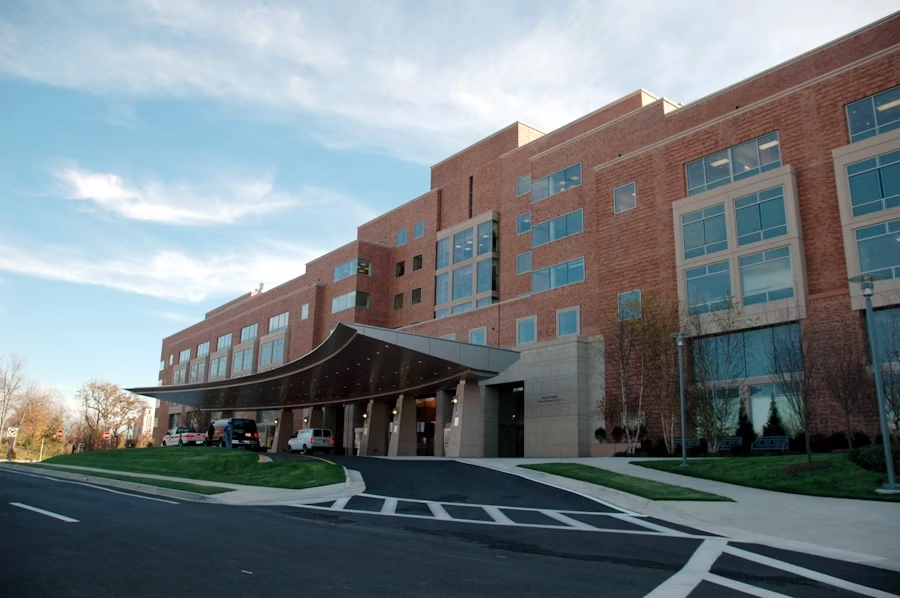
Hospitals & Health Systems

Medical Groups & Multi-Site Practices

FQHCs & Community Health Centers

Behavioral Health Organizations

Specialty & Ambulatory Practices

Ambulatory Surgery Centers

Healthcare Payers & Health Plans

Care Management Organizations

RCM & Medical Billing Organizations

Digital Health Companies

Startup Companies

Healthcare Software Vendors

Home Health Organizations

Post-Acute Care Organizations
Why Healthcare Organizations Choose CapMinds?
18+ Years in Healthcare Technology
Bring proven healthcare technology experience to complex decisions, workflows, risks, and long-term transformation goals confidently.

1300+ Completed Projects
Apply lessons from 1300+ completed projects to improve planning, execution, problem-solving, and delivery confidence consistently.
Trusted by 400+ Healthcare Organizations
Partner with a healthcare technology team trusted by 400+ organizations for accountable, dependable project delivery.
Cross-System Workflow Orchestration
Connect EHRs, scheduling, RCM, portals, and payer systems so work moves reliably across teams without repeated manual handoffs.
Human-Controlled Automation
Automate routine decisions and actions while keeping approvals, exceptions, and higher-risk healthcare steps under accountable human oversight throughout.
Healthcare Workflow Assurance
Test rules, integrations, exceptions, and system actions before launch, then monitor workflow performance continuously after production deployment begins.

What Our Clients Say
Hear from healthcare leaders who’ve transformed their operations
with our services & solution.
What Makes US a Trusted
Healthcare AI Workflow Automation Partner
CapMinds combines healthcare workflow expertise with governed automation, reliable system integration, human oversight, and continuous validation for dependable production operations.

HIPAA
COMPLIANCE

ISO 9001:2015
CERTIFIED

GDPR
COMPLIANT
SOC 2 TYPE 2
CERTIFIED

HL7 FHIR
STANDARDS

SNOMED CT
COMPATIBLE

HITRUST
ALIGNED
Technology and Integration Experience
Technologies Selected Around Your Workflow
Healthcare Systems ➜

Healthcare Interoperability ➜

Interface Platforms ➜
Workflow Orchestration ➜

AI and Machine Learning ➜

Enterprise AI Platforms ➜

Automation Platforms ➜

Ready to Automate a Healthcare Workflow?
Start with a workflow where manual effort, delays, and disconnected systems are already creating measurable operational cost.
- Identify automation opportunities and constraints
- Define systems, controls, and human checkpoints
- Build a clear path from workflow to production
Frequently Asked Questions
What healthcare workflows can CapMinds automate?
Potential workflows include clinical tasks, patient intake, referrals, care coordination, prior authorization, scheduling, prescription-related processes, administrative work, clinical decision support, document processing, communications, and cross-system operational processes. The appropriate scope depends on workflow volume, data, integrations, risk, exceptions, and measurable business value.
Can clinical decision support operate without clinician review?
That depends on what the software does. Automation of administrative or deterministic clinical workflow steps differs from software that recommends or influences diagnosis or treatment. For clinically consequential decision support, intended use and the user’s ability to independently review the basis of recommendations are important considerations.
Can we start with one workflow before expanding automation across the organization?
Yes. We can start with one bounded workflow, establish its baseline, connect the required systems, test exceptions and human checkpoints, then measure results before deciding whether the same approach should scale elsewhere.
How long does healthcare AI workflow automation take?
A bounded workflow with available APIs and clear rules can move faster than an enterprise process spanning multiple systems, departments, vendors, and approval requirements. Timing depends on workflow complexity, data availability, system access, testing, integrations, security review, and production acceptance criteria.
What does CapMinds need to scope a healthcare workflow automation project?
Start by showing us the current workflow: who performs it, which systems it crosses, transaction volume, manual effort, exceptions, approvals, and desired outcome. From there, we can define the automation approach, integration requirements, delivery scope, dependencies, and realistic implementation plan.
Can CapMinds integrate workflow automation with our EHR?
Yes. CapMinds can provide AI workflow integration with existing EHR system. Depending on your EHR and supported interfaces, integrations may use FHIR, SMART on FHIR, HL7, vendor APIs, interface engines, event feeds, or other approved methods. The architecture depends on what information the workflow reads and which actions it is permitted to perform.
Can CapMinds use our existing cloud and automation platforms?
Yes. CapMinds can offer solutions that can be designed around existing AWS, Azure, Google Cloud, EHR, integration, workflow, RPA, AI, data, identity, and observability investments when those technologies meet the requirements of the use case.
Do we need to replace our existing RPA, workflow, or automation platforms?
Not necessarily. We first identify what already works, then reuse existing RPA, workflow engines, APIs, and integration platforms where they fit. New technology is introduced only when the current stack cannot support the required workflow, controls, or scale.
How should we measure workflow automation ROI?
Establish the baseline before implementation. Useful measures can include staff touches, handling time, cycle time, completed volume, exception rate, backlog, patient access, manual rework, operating cost, adoption, and cost per completed workflow.
What happens after automation goes live?
Production automation requires ongoing monitoring. Teams should track completion rates, exceptions, failures, integration health, overrides, processing time, model or rule performance, user adoption, security events, operating cost, and business outcomes as workflows and source systems change.
Resources
Insights for Healthcare Technology Teams.
How OpenEMR Helps Mobile Clinics Cut Healthcare IT Expenses
More than 3,600 mobile clinics function in the United States and provide approximately 10 million health care visits annually. As they grow, they face healthcare IT costs, […]
Designing Color-Coded Provider Availability in OpenEMR for Faster Scheduling
When a patient asks, “Who has the earliest 60-minute appointment at our North Clinic this week?” how many calendars does your front desk need to check before […]
AI-Powered OpenEMR Forms: Turning PDFs Into Specialty Encounter Templates
A specialty practice may spend years refining a paper or PDF encounter form. The sections follow the clinician’s workflow. The questions reflect the specialty. The layout tells […]