50+
Providers Onboarded
30+
Custom Clinical Forms
3
Integration Workstreams
1
Unified OpenEMR Platform
Client Overview
Torres Behavior Health is a U.S.-based behavioral health practice providing individual psychotherapy, group therapy, music therapy, recreational therapy, and applied behavior analysis.
Its providers deliver services across homes, day programs, workplaces, community access locations, and other care settings. The practice primarily serves Medicaid-insured patients and must manage detailed clinical, treatment-planning, service-location, and billing documentation.
As the organization expanded to more than 50 providers, its existing Tebra-based workflows and Excel-dependent billing processes became difficult to scale. Torres Behavior Health needed a centralized EHR that could support its diverse therapy programs, state-specific documentation, provider scheduling, patient communication, reporting, and Medicaid claims workflows.

The Challenge
The practice was managing several connected operational challenges:
- No unified EHR configured for its different behavioral health services.
- Manual billing processes dependent on Tebra and Excel exports.
- Limited support for IHCP and Availity claims workflows.
- State-mandated treatment plans and service-location documentation.
- Scheduling workflows without reliable double-booking controls.
- Inconsistent delivery of patient portal credentials.
- Manual consolidation of service units, codes, modifiers, and charges.
- A growing provider base requiring secure, concurrent system access.
Torres Behavior Health partnered with CapMinds to implement OpenEMR around its actual clinical, administrative, and Medicaid billing workflows.
Our Solution: A Behavioral Health OpenEMR Platform
CapMinds delivered a cloud-hosted OpenEMR implementation covering infrastructure, clinical forms, provider workflows, claims integration, reporting, patient portal configuration, and provider onboarding.
The implementation was divided into coordinated workstreams so providers could train and validate the system while production and integration activities continued.
Cloud Infrastructure and Deployment
- OpenEMR was deployed on Google Cloud Platform for scalable operations.
- Separate staging and production environments supported controlled implementation and testing.
- Providers trained within staging before workflows moved into production use.
- Automated deployment pipelines improved release consistency, control, and operational reliability.
Clinical Workflow Customization
- More than thirty behavioral health forms were customized within OpenEMR.
- Treatment plans supported CBS and general outpatient psychotherapy documentation requirements.
- Service codes populated automatically according to each selected therapy type.
- Existing diagnoses transferred from patient records into relevant clinical forms.
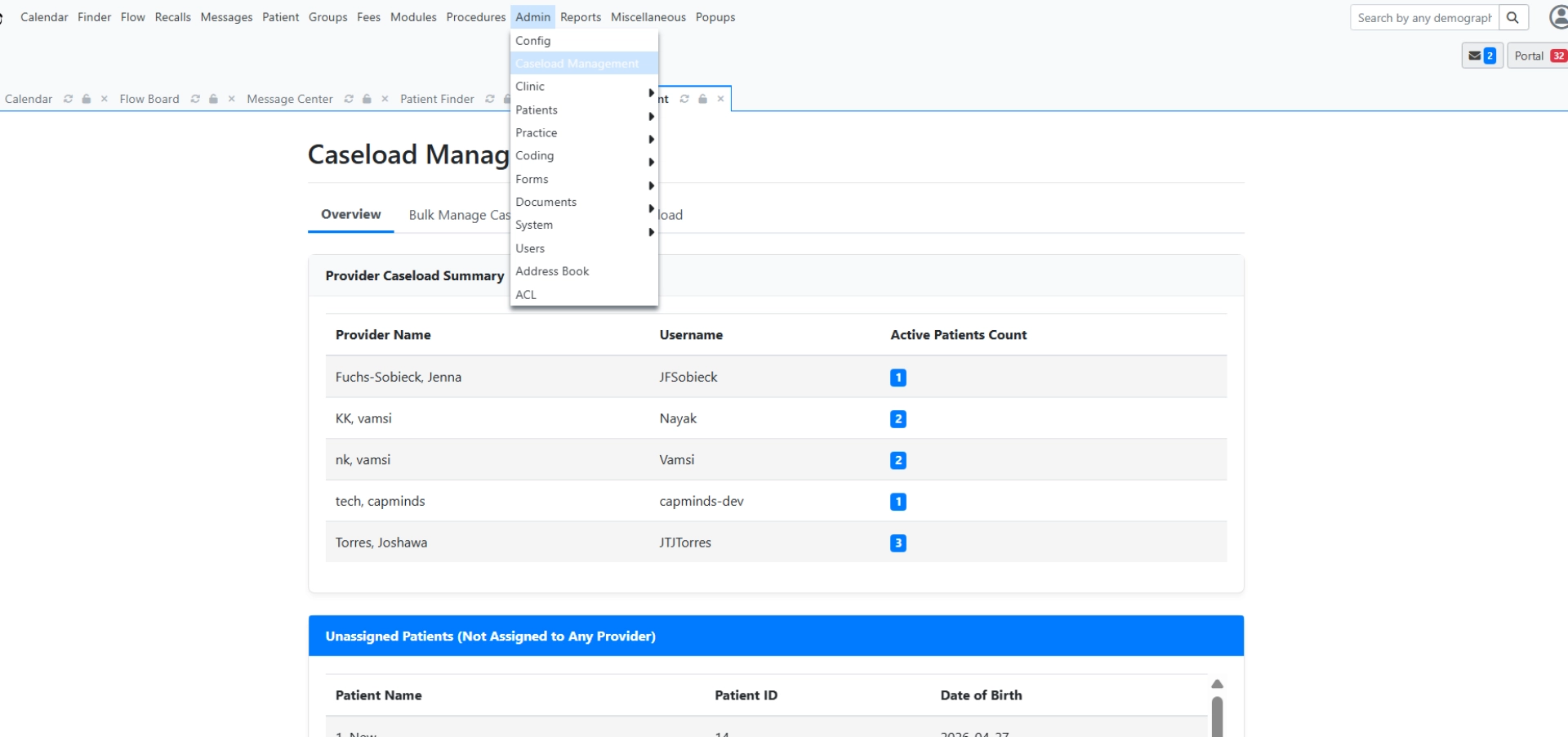
Provider Scheduling and Caseload Management
- Assigned clients appeared first within each provider’s active caseload view.
- Calendar safeguards prevented providers from receiving conflicting appointment bookings automatically.
- Scheduling controls improved appointment accuracy across multiple providers and locations.
- Deleted notes automatically cleared their related pending signature notifications immediately.
Medicaid Eligibility and Claims Integration
- IHCP eligibility verification was configured for Medicaid patient coverage checks.
- Patient matching issues were resolved during eligibility workflow validation testing.
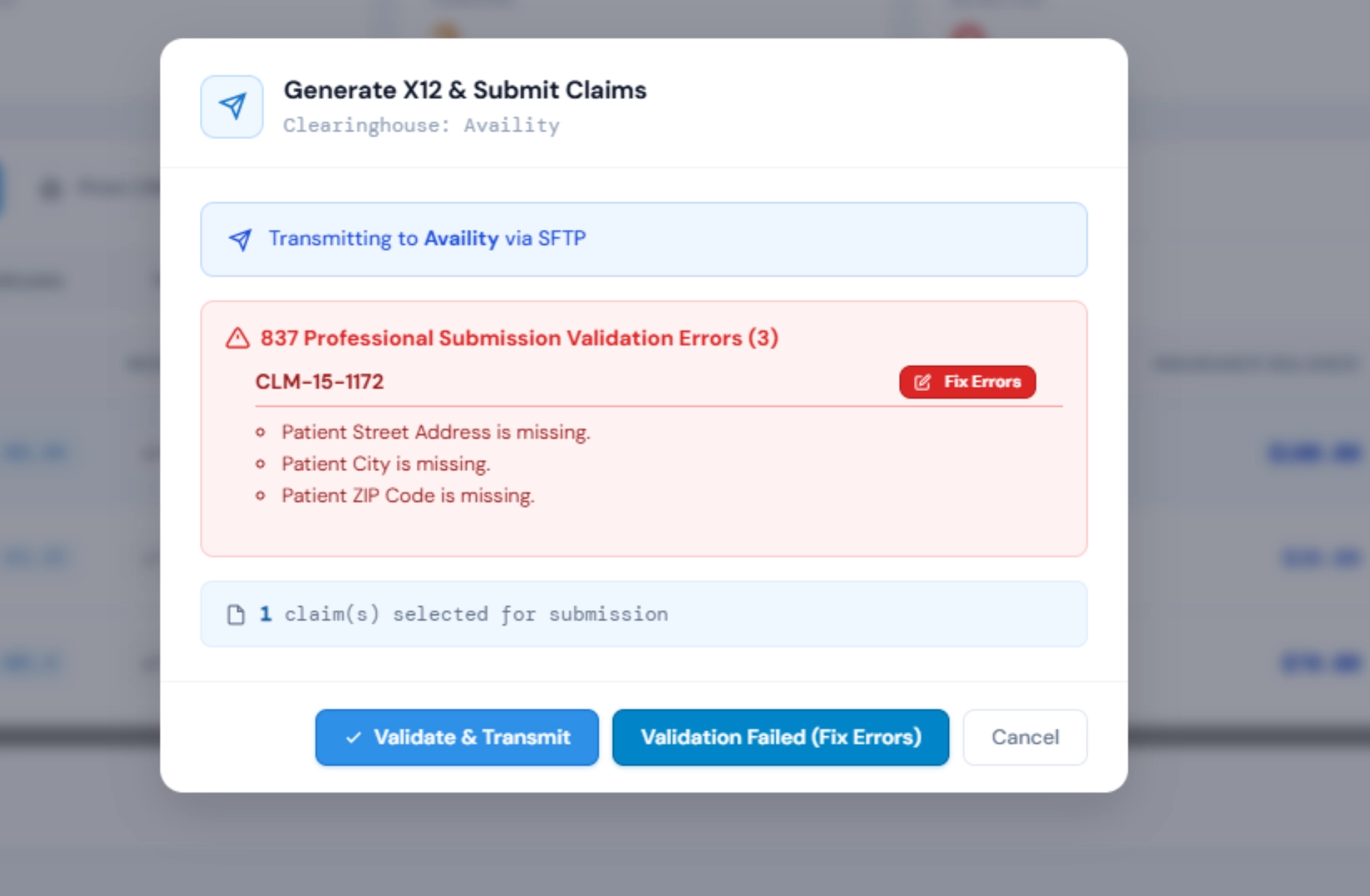
- Test claims received 999 acknowledgements confirming initial transaction acceptance successfully.
- Availity claims and 277 response workflows entered controlled validation testing.
Billing Reports and Access Controls
- Unit Utilization Reports centralized service codes, modifiers, units, and charges.
- End of Month Reports simplified billing review and reconciliation activities.
- Centralized reporting reduced dependence on manually prepared spreadsheet billing exports.
- Role-based permissions limited report access according to user responsibilities.
Patient Portal and Email Configuration
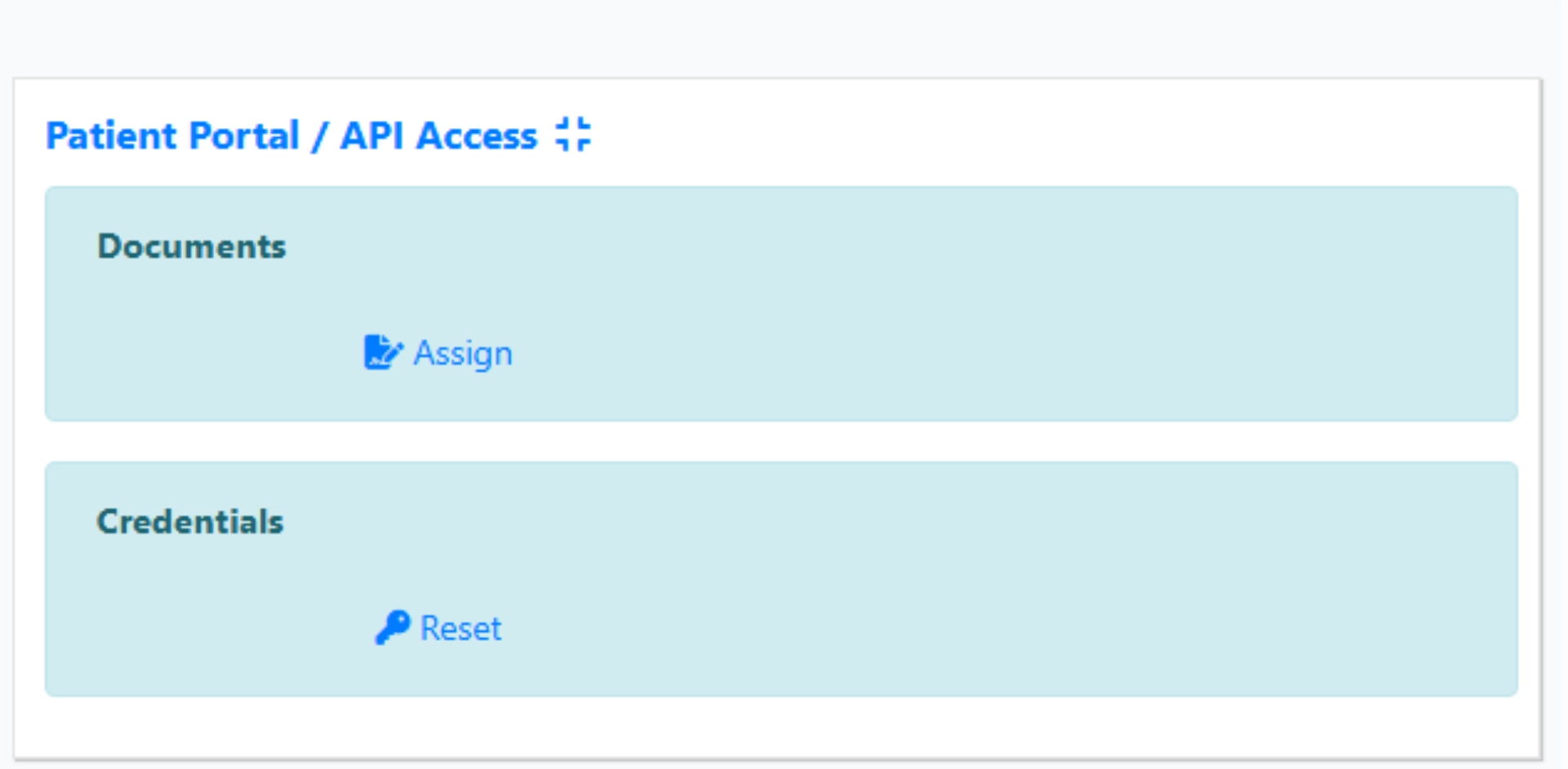
- OpenEMR patient portal access was configured for secure patient communication.
- Automated credential emails supported faster patient portal activation and onboarding.
- Gmail API and SMTP enabled reliable delivery of system notifications.
- Caseload rule conflicts blocking portal emails were identified and resolved.
Underlying Technology Stack
| Area | Technology |
|---|---|
| EHR Platform | OpenEMR |
| Cloud Infrastructure | Google Cloud Platform |
| Clinical Workflows | Custom forms, treatment plans, and caseload management |
| Eligibility and Claims | IHCP, Availity, 837, 999, and 277 workflows |
| Reporting | Unit Utilization and End-of-Month Reports |
| DevOps | CI/CD pipeline and Docker |
| Project Tracking | Jira |
| Patient Communication | OpenEMR Patient Portal, Gmail API, and SMTP |
| Access Management | Role-based access controls |
| Care Domain | Behavioral health, psychotherapy, and applied behavior analysis |
Results and Operational Impact
Provider Readiness
50+ Providers Onboarded
More than 50 providers were onboarded to the staging environment.
Providers could train while production preparation continued.
Assigned caseloads became easier to review.
Scheduling controls reduced the risk of appointment conflicts.
Workflow issues could be identified before production rollout.
Standardized Clinical Documentation
30+ Custom Clinical Forms
Therapy-specific documentation was centralized in OpenEMR.
State-required treatment plans were converted into structured forms.
Service codes and existing diagnoses were connected to relevant workflows.
Selected service locations appeared correctly on printed records.
Provider notifications remained aligned with active notes.
Stronger Billing Operations
3 Integration Workstreams
IHCP eligibility verification was configured.
Patient-data matching issues were resolved during eligibility testing.
The 837 test workflow received a 999 acceptance acknowledgement.
Availity encounters and claim data were prepared for testing.
Centralized reports replaced parts of the previous Excel-based workflow.
Claims-response processing and end-to-end Availity validation remain in progress before full production use.
Why CapMinds Excelled
Behavioral Health Workflow Knowledge
The solution was configured around psychotherapy, applied behavior analysis, community-based services, treatment plans, provider caseloads, and Medicaid documentation needs.
Parallel Delivery Model
Infrastructure, clinical customization, provider training, reporting, portal configuration, and integration testing progressed through coordinated workstreams.
Transparent Integration Progress
Completed milestones were separated from ongoing claims testing. This provided a clearer view of what was operational, what had passed initial validation, and what still required end-to-end testing.
OpenEMR Customization Experience
Clinical forms, scheduling, reporting, claims workflows, portal communication, access controls, and notifications were configured within one EHR platform.
Controlled Validation
A production-like staging environment gave providers and administrators an opportunity to validate workflows before final deployment.
What’s Next
The source engagement identifies KPI measurement and broader workflow expansion as the next stage of value realization. Recommended next-phase priorities include:
The next phase will focus on:
- Completing 277 response processing.
- Finalizing Availity claims testing.
- Resolving remaining patient and payer data mismatches.
- Completing production environment preparation.
- Migrating validated configurations and data.
- Conducting post-migration workflow validation.
- Supporting providers and administrators during go-live.
- Monitoring system performance and user adoption.
Executive Summary
CapMinds helped Torres Behavior Health move from disconnected clinical, scheduling, portal, reporting, and billing processes toward a centralized OpenEMR environment.
The implementation supports more than 50 providers, over 30 customized clinical forms, state-specific treatment plans, service-location documentation, provider scheduling controls, patient portal communication, billing reports, and Medicaid integration workstreams.
By allowing providers to train and validate workflows in staging while production and claims testing continued, Torres Behavior Health gained a more controlled path toward go-live.
The practice now has a stronger foundation for managing behavioral health documentation, Medicaid billing, provider growth, and administrative operations within one scalable EHR platform.
Build OpenEMR Around Your Behavioral Health Operations
Connect clinical documentation, provider scheduling, Medicaid billing, patient communication, and reporting within one configurable EHR environment.
Related Case Studies